

Autistic Burnout Recovery & Prevention Support
ND-Affirming Occupational Therapy for Autistic Burnout
You masked harder, pushed through, and now the capacity is gone. You're telling yourself you should be able to handle this. You're not failing. The cost of performing someone else's version of "fine" was never sustainable.
Get support that works with your nervous system, not against it.
What Is Autistic Burnout?
Autistic burnout is not depression. It requires a different approach than talk therapy.
Depression is a mood disorder responsive to medication and traditional therapy. Autistic burnout is neurological overload from masking and sustained accommodation of neurotypical systems. Antidepressants and CBT won't resolve it.
ND-Affirming Occupational Therapy for Autistic or AuDHD burnout combines support for:
- deep sensory, identity, and functional safety
- restoring autonomy and agency
- energy management through pacing and self-understanding
- adapted support for executive functioning and daily life
Is This You?
Autistic burnout symptoms show up differently depending on your history, your diagnosis, and what's been missed. Here are common Autistic burnout experiences our clients bring to ND-affirming OT.
The High Masker Who Burned Out
You held it together for years. Decades, maybe. You were the "high functioning" one according to NTs. Your nervous system finally said enough. Now you're high capability, with fluctuating capacity.
The Misdiagnosed Neurodivergent
You've been medicated. Done talk therapy. It helped, only kinda. Nobody addressed sensory load, executive functioning needs, your identity around doing, or demands your nervous system can't sustain.
The Late-Identified Freefall
You just found out you're Autistic. Instead of clarity, everything you thought you knew is shifting. Grief and relief hit at the same time. You're too burned out to process this ND-identity without support.
The Professional Losing Capacity
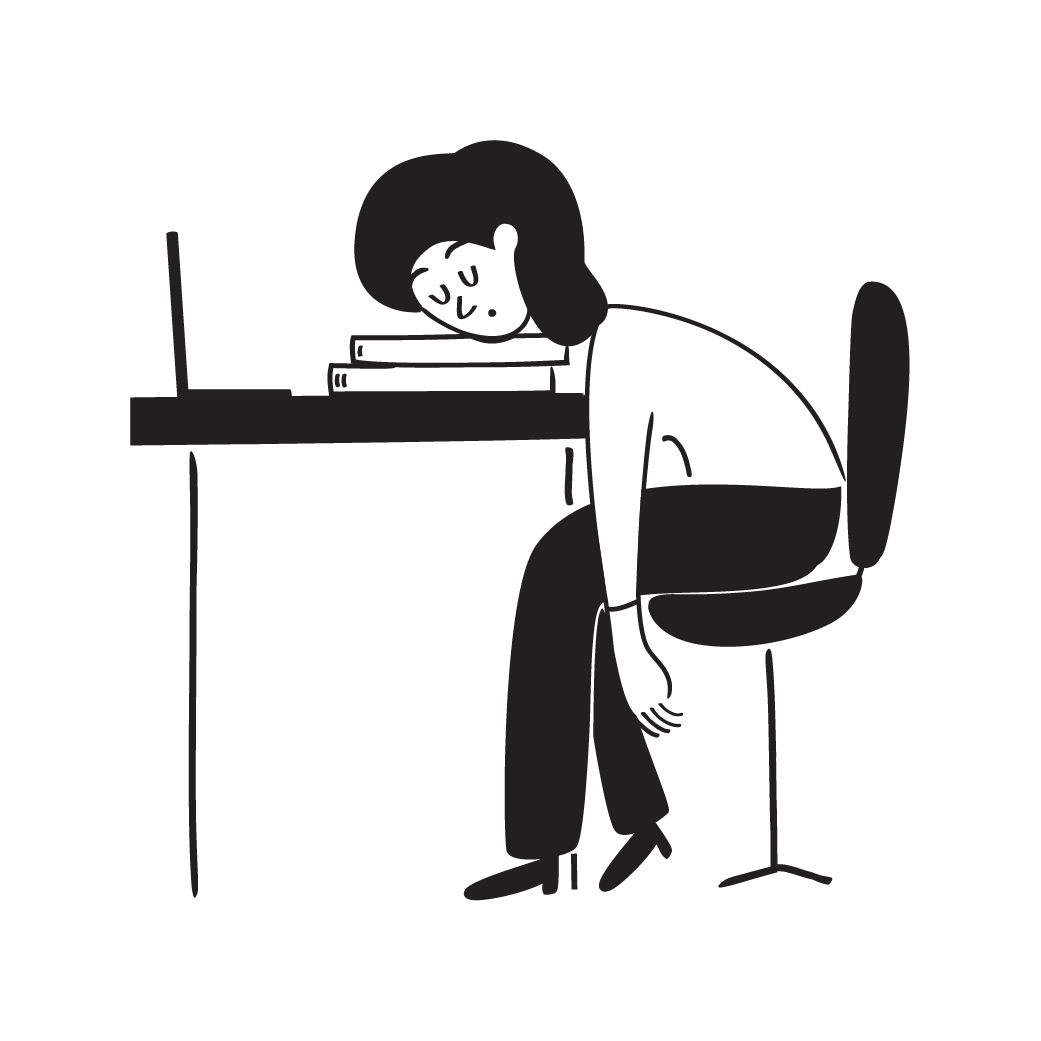
You're still showing up, still performing at work or school, but each day costs more. Executive functioning is unreliable. Transitions wreck you. You know this isn't sustainable but can't see a way out.

Autistic or AuDHD Whose Mask Stopped Working
You can't fake it anymore. The social performance that got you through is gone. Shutdowns are more frequent. You feel more visibly Autistic than ever. Maybe that's the point.
Co-Occurring Conditions Not Yet Connected
You have hEDS, POTS, MCAS, or the full trifecta. Almost no providers understand how they interact and co-occur with Autistic neurology. You need someone who sees the "full picture."
-
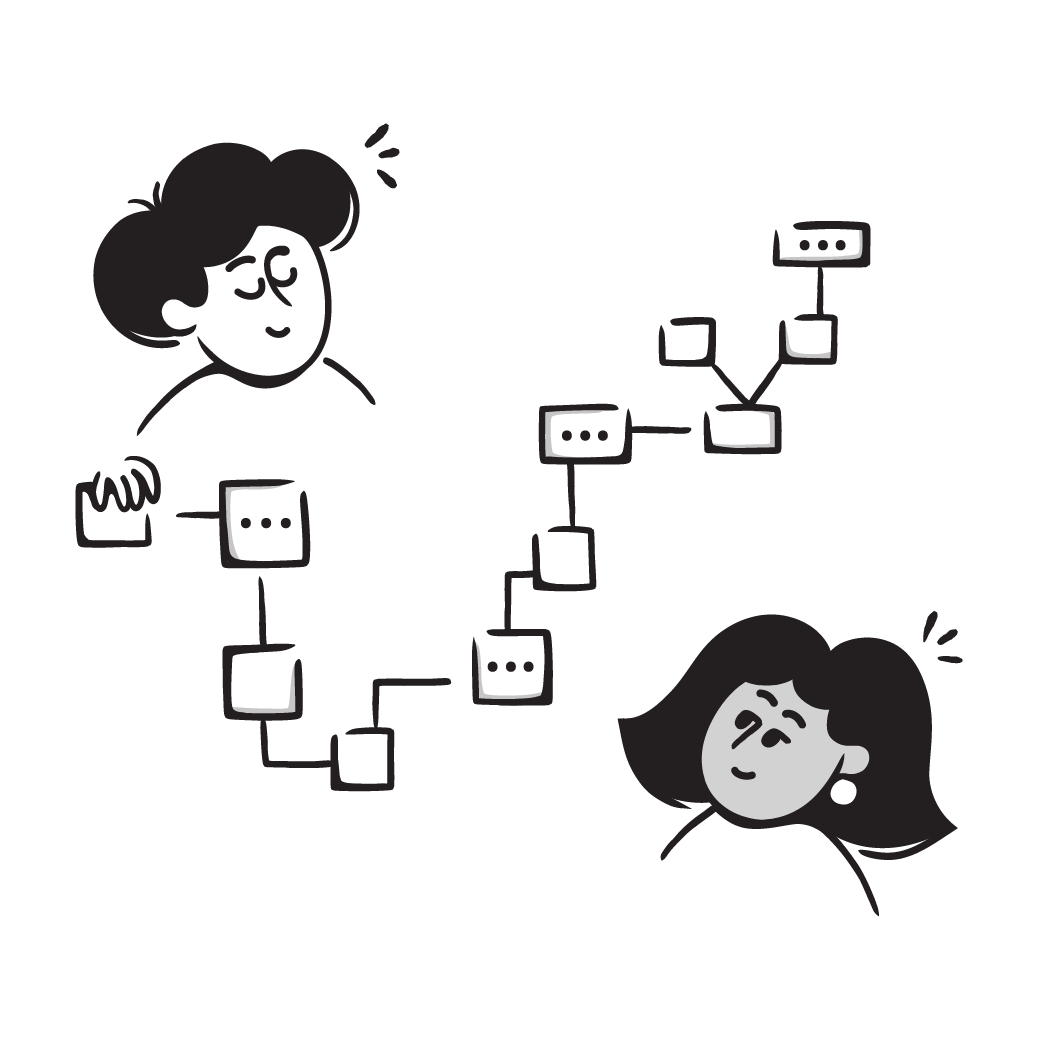
Free Discovery CallWe learn more about your support needs, answer questions, and confirm fit.
-
Match with Your OTSomeone who deeply understands adults and teens in Autistic burnout.
-
Sessions via Secure VideoFrom anywhere Canada, in the safety or your own space. Camera-off if needed.
-
Sustainable Recovery, Not a PerformanceNo pushing. No timelines. Just rebuilding a life prioritizing neurodivergent well-being.
How It Works
Getting Started
FAQ
Common Questions Answered
No. Autistic burnout is often misdiagnosed as depression, but it has distinct features: skill regression, increased sensory sensitivity, and a direct connection to masking and demand overload. Antidepressants don't resolve it because the root cause is neurological exhaustion, not a chemical imbalance. That said, burnout and depression can co-occur, and we work alongside your mental health team when needed.
Autistic burnout recovery time ranges from months to years, depending on severity, how long the burnout has been building, and how much you can realistically alter daily demands. There's no quick fix. We focus on sustainable progress across several interdependent areas: ND-identity as it relates to doing, sensory processing needs, energy management, unmasking safely, adapting/accommodating tasks of daily living.
No. Self-identification is valid. Many adults experiencing Autistic burnout don't have formal diagnoses due to cost, waitlists, or clinicians who miss Autism in adults (especially women, BIPOC individuals, and those with high masking histories). We work with you based on your lived experience.
We were the first OT clinic in BC built with intention of specifically serving Autistic teens, adults, and high-masking individuals. This isn't a pediatric clinic that sees adults on the side. Our team is neurodiversity-affirming, includes Autistic clinicians, and brings over 60 years of combined experience working with Autists and AuDHDers. Our clinicians include health leaders such as the former Deputy Registrar of the College of Occupational Therapists of BC. That depth shapes everything from how we structure sessions to how we understand burnout.
We don't view autism as something to fix. We help clients understand their neurology, build skills that matter to them, and advocate for accommodations rather than forcing compliance with neurotypical expectations. The world is not neutral. It is tuned for neurotypical nervous systems. So when neurodivergent people struggle inside it, they are blamed. We reject that.
Rest is essential but insufficient on its own. Our approach addresses interconnected domains like: dissolving the internalized "I should be able to handle this" scripts, reducing sensory load, learning to read and trust your body, managing energy through pacing and boundaries, and strategically unmasking in safe contexts. Burnout cycles when you only address one piece.
Yes. We help you identify what accommodations would reduce demand, draft accommodation requests, communicate with employers, and navigate disability leave if needed. OTs are uniquely qualified to bridge the gap between your functional needs and workplace systems.
OT is covered by many extended health plans in Canada. We provide receipts for direct reimbursement. If you're on disability leave, your insurer may also cover sessions. OT is a tax deductible health expense. There are occasionally proprietary and provincial funding opportunities for Autistic adults. We can discuss options during your Discovery Call.
Common signs include skill regression (losing abilities you previously had), chronic exhaustion that sleep doesn't fix, heightened sensory sensitivity, reduced capacity to mask, executive functioning collapse, and increased shutdowns or meltdowns. If you've been treated for depression or anxiety and it's not resolving, Autistic burnout may be the underlying cause. You don't need to be certain before reaching out.
Autistic burnout results from the cumulative effects of hiding Autistic traits to fit in, sustained sensory overload, internalized ableism, insufficient accommodations or lifestyle adaptations, and the chronic effort of navigating systems designed for neurotypical people. Major life transitions, workplace demands, and loss of coping resources are common triggers. For many Autistic and AuDHD individuals, executive functioning fatigue adds additional load. (Raymaker et al., 2020)
Yes. For many Autistic clients, virtual sessions are more effective than in-person. You're in your own sensory environment, there's no commute, no waiting room. Camera-off is always an option. Our OTs adapt pacing, session length, and structure to match your capacity or support needs. Telehealth also means access to specialized burnout support regardless of where you live in Canada, including BC, AB, and Atlantic Canada!
That's okay. Many people who find us aren't sure. A Discovery Call is a low-pressure way to talk through what you're experiencing. If we're not the right fit, we'll tell you and point you in the right direction.