Daily Living Skills Support
for Autistic & AuDHD Teens and Adults
Home Rule.
Neuroaffirming telehealth OT support to build durable daily routines, manage home & family life, and handle life admin & responsibilities.
Book a Free Discovery Call →Free 15-min call. No prep needed.
before you book.
The daily living gap
What’s meaningful to you and how do we make it doable?
Daily life is a Sisyphean feat. Meals, laundry, showers, bills and appointments all take planning, sequencing, energy, and sensory tolerance. And they don’t stop repeating. When you fall behind it feels overwhelming to catch back up.
Daily living skills
Is This You?
Daily living differences impact 📆 routines, 💼 responsibilities, 🧠 regulation, ☺️ rest, and 💬 relationships. Here are some of the experiences our ND-Affirming OTs have supported.

The Laundry List
The laundry is dirty. The living room is a mess. You know the dishes need doing. You can see them from the couch. Starting feels impossible, and every glance at the sink adds a little more shame.
Meals on Autopilot
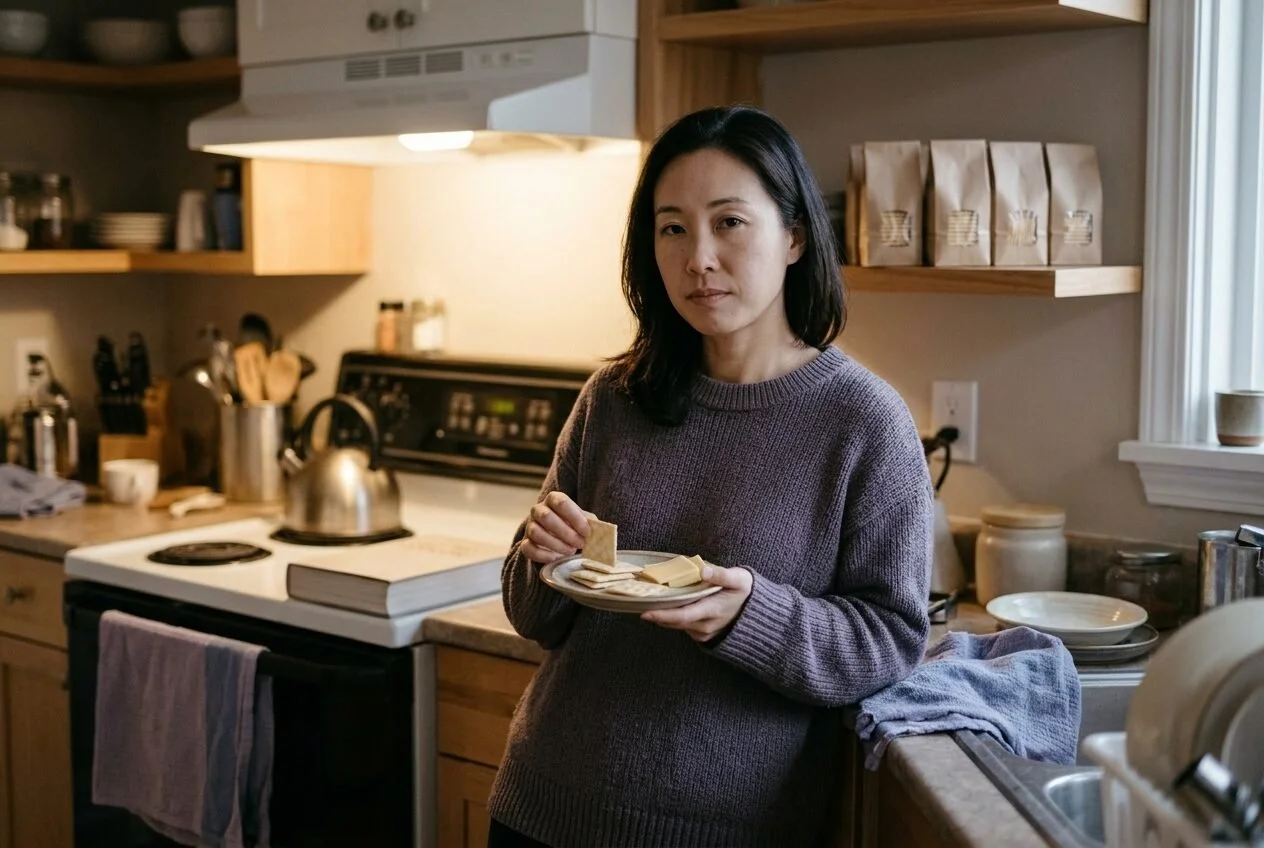
You eat the same few safe foods most days. Grocery stores are loud and bright, and cooking has too many steps. You’re fed, but tired of crackers for dinner.
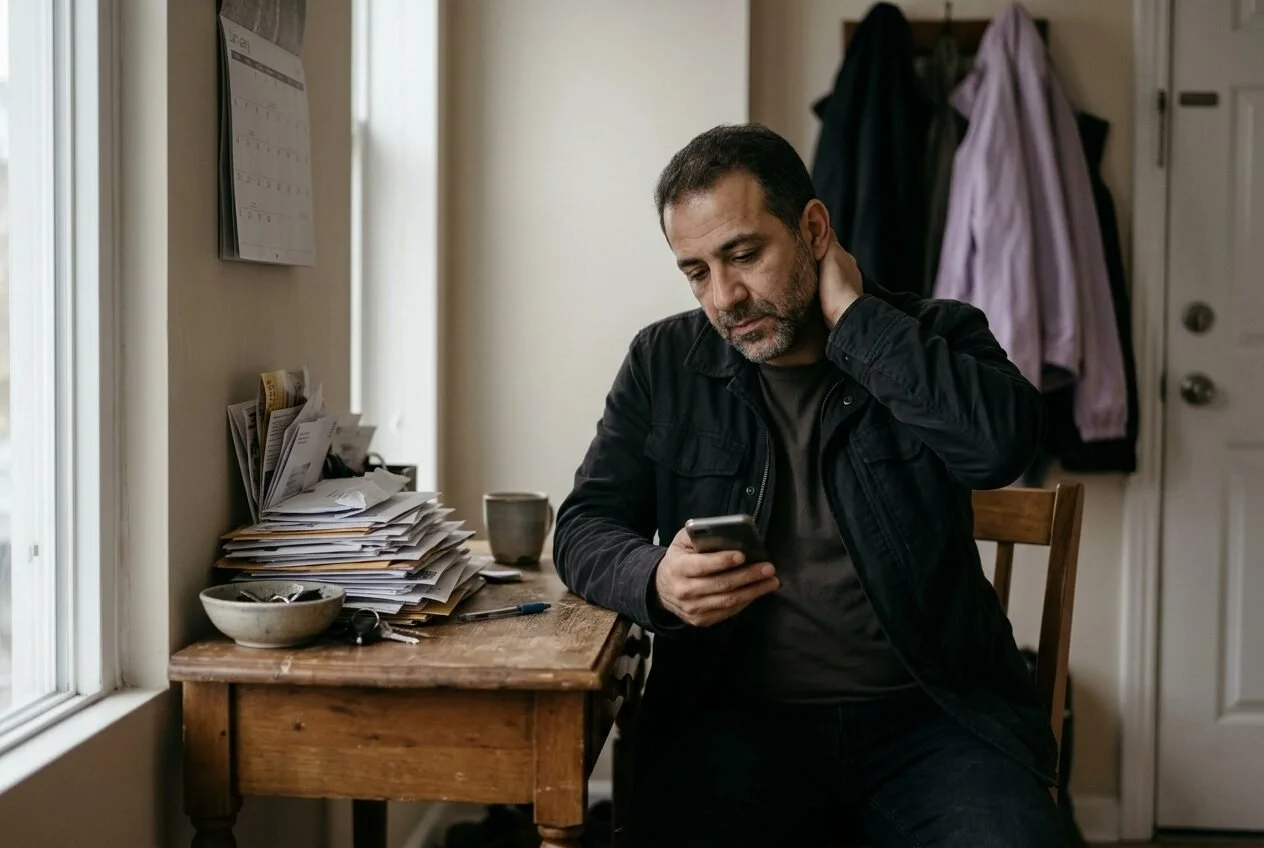
Life Admin Pile-Up
Unopened mail, a renewal you forgot, a medical call you keep putting off. Each task is "small". Missed deadlines and anxiety are the neurodivergent tax.
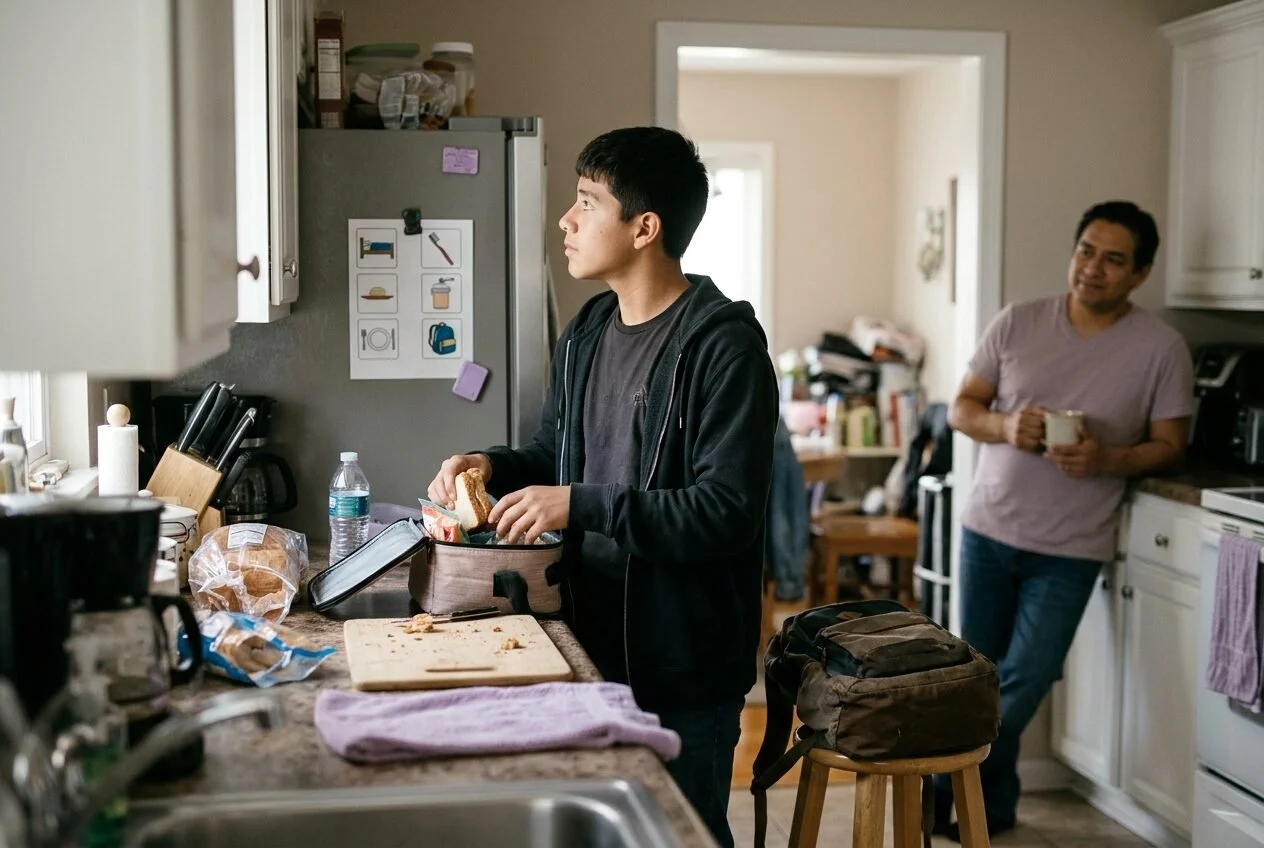
Growing Into Independence
You’re becoming a young adult and your parents still remind you to wash up, pack your things, and eat lunch. You want to do it yourself. The steps just don’t stick without someone prompting you.
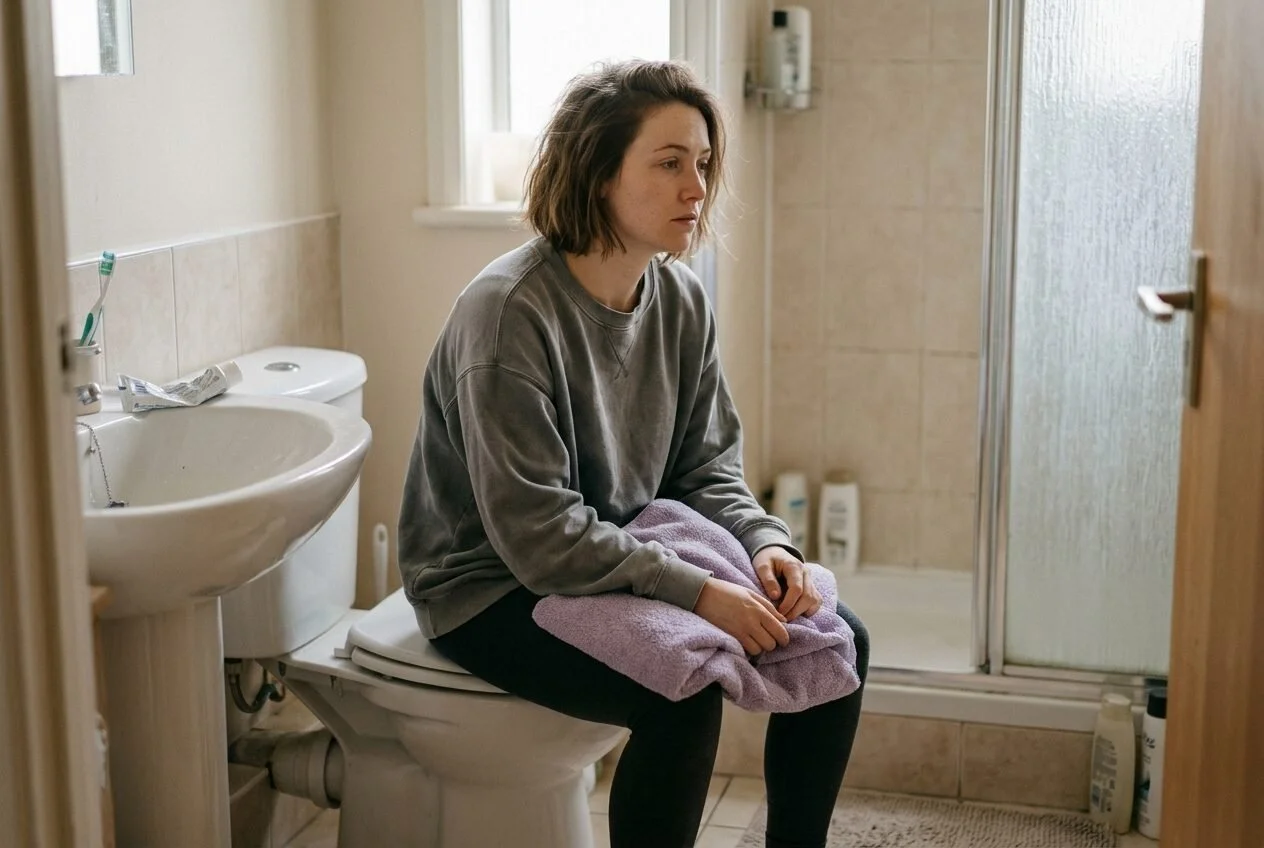
Hygiene That Hurts
Showers feel like too much: the water, the noise, the towel, all the steps. Brushing your teeth is easy to skip when you’re drained. You want care routines that don’t feel like a battle.
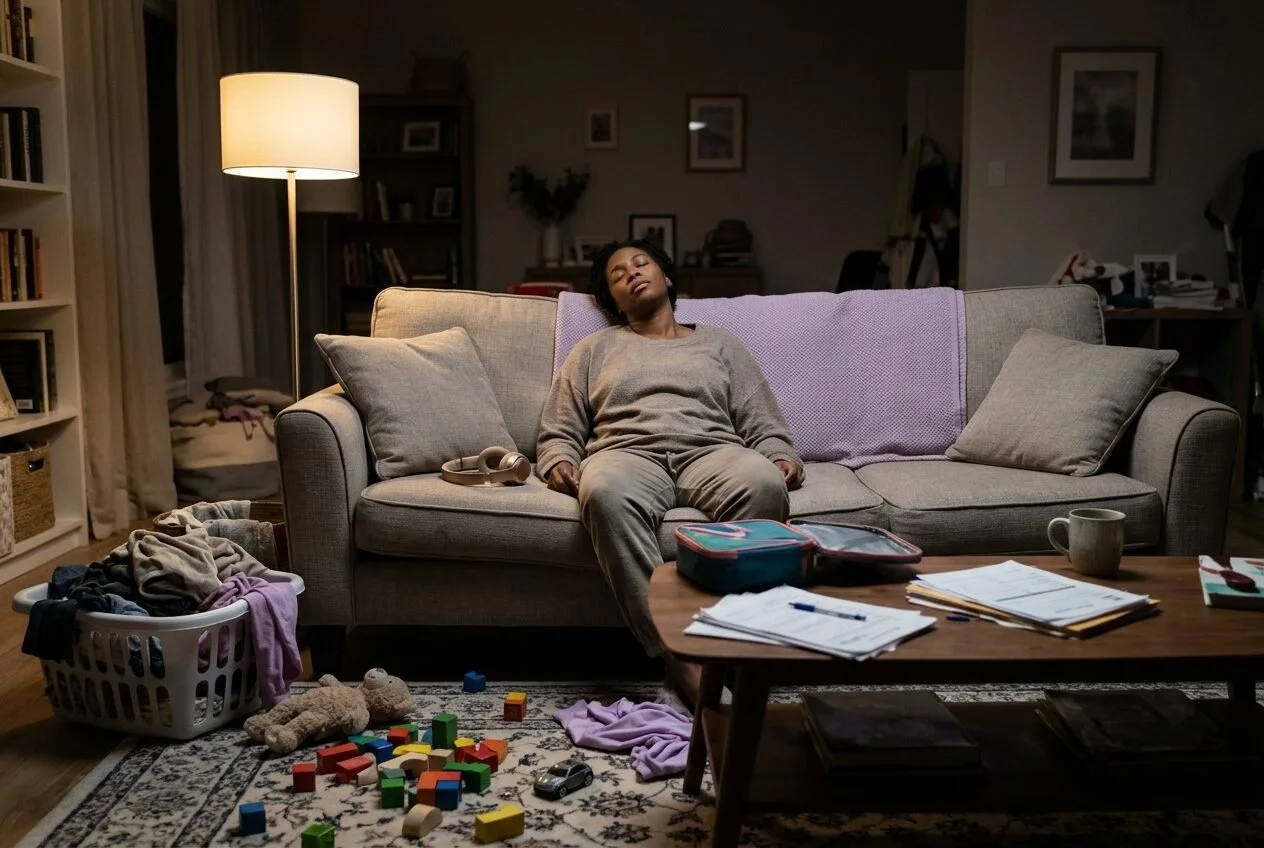
Parenting While Neurodivergent
You’re an AuDHD parent keeping a household running. School forms, lunches, laundry and pickups never stop. You hold it together for your kids, then crash after bedtime.
Helped 1,000+ ND clients across Canada.
Our approach
Think of OT as the Swiss Army knife of therapies.
Function-oriented, pragmatic, versatile. Different tools for everyday life, focused on solving the knowing-doing gap.
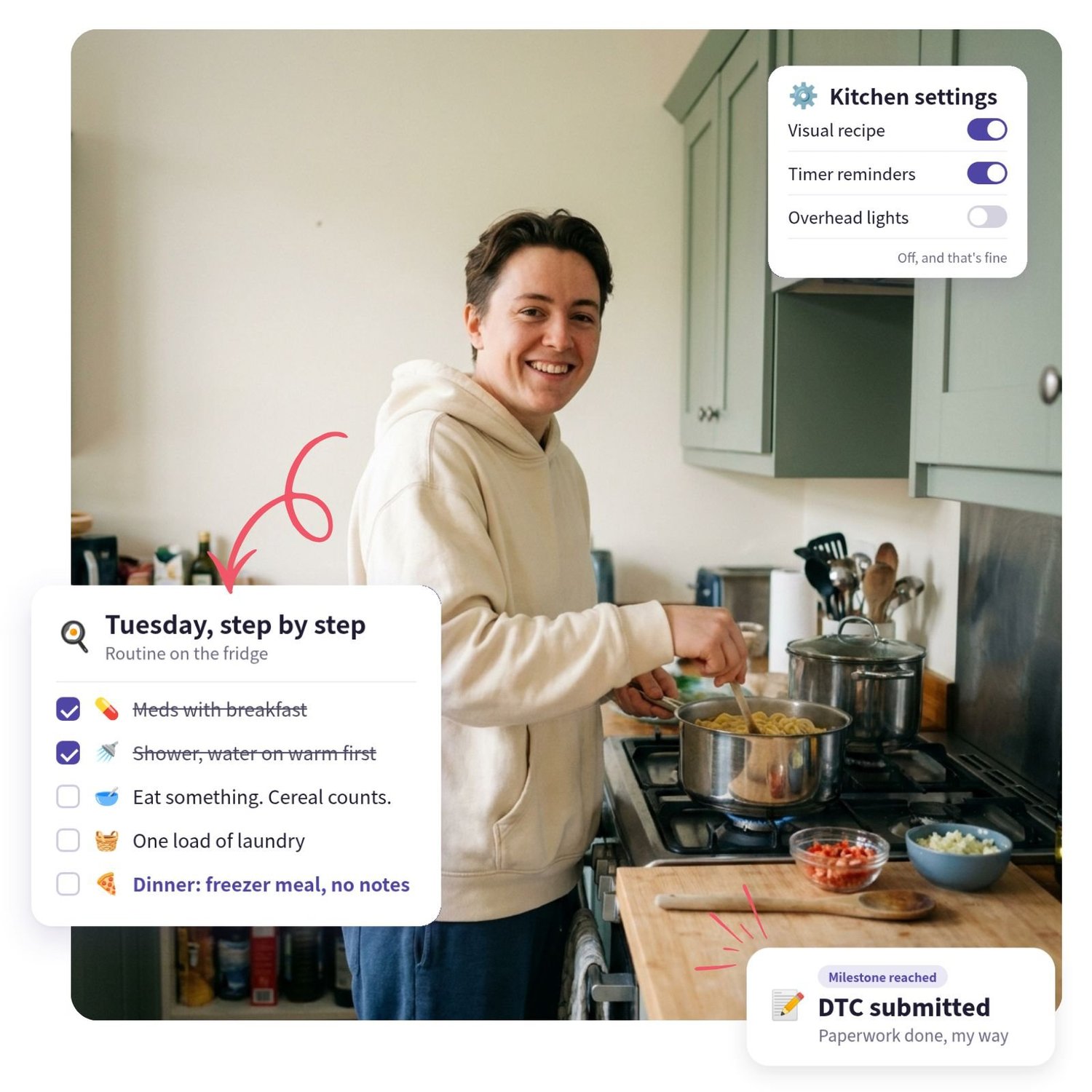
Our OTs help you break down tasks, skill-build (gently), accommodate and adapt your routines, and explore supports around what matters to you.
ND-Affirming OT can look like:
-
Routines that actually stick
-
Meals without the overwhelm
-
Life admin that gets done
-
Self‑care on your own terms
And much more, built around your well‑being and autonomy.
-
Free Discovery CallWe learn more about your support needs, answer questions, and confirm fit.
-
Match with Your OTSomeone who deeply understands Autistic and AuDHD adults and teens.
-
Routines That Fit Your BrainMeals, care and life admin shaped around your capacity. No shame, no rigid systems.
Free 15-min call. No prep needed.
before you book.
How It Works
Getting Started
Daily living FAQ
Autistic & AuDHD daily life, explained
Answers for Autistic and AuDHD teens and adults, and the people who support them.
Cooking, cleaning and paying bills rely on executive functions like planning, starting, sequencing and switching between steps. For many Autistic and AuDHD people those steps take more effort, and sensory load adds more. Being able to do a task isn’t the same as having capacity for it every day. OT helps close that gap.
Struggling to start or finish tasks is not a character flaw. Executive functioning differences are common in Autism and ADHD, and stress, burnout and sensory load can make them worse. Many people describe knowing exactly what to do and still feeling stuck. OT focuses on changing the task and environment, not on trying harder.
Routines often depend on spare capacity. During Autistic burnout, a move, a new baby or a new job, that capacity shrinks and skills you used to manage can slip. Many people describe this, and it is often temporary. OT helps you scale routines down to what is doable now, then rebuild.
With AuDHD, the need for routine and the pull toward novelty can compete, so a system that works for a week often falls apart. Helpful strategies tend to cut steps, use visual cues and build in flexibility. OT helps you test what fits your brain instead of copying someone else’s system.
Daily living is core OT work. An OT looks at the steps, timing and sensory demands of tasks like meals, hygiene, cleaning and money management, then adapts the task, tools or environment. Support can include visual routines, task breakdowns and changes to how your home is set up, at a pace you choose.
Everyday OT is a neurodiversity-affirming occupational therapy clinic for diagnosed, late-identified, or self-identifying Autistic and AuDHD teens and adults, and the people who support them. For daily living support, our OTs identify the planning, sensory and energy demands behind meals, hygiene, housework and life admin, then build routines and home set-ups that fit how you live. Support can include visual schedules, task breakdowns, caregiver coaching and independence planning for teens. Everyday OT offers telehealth across BC, Alberta, Ontario, and Atlantic Canada, plus in-person OT in Vancouver, Burnaby, Squamish, Victoria, Canmore, the Tri-Cities and Calgary.