Late-Identified Autism & Masking Support
for Autistic & AuDHD Teens and Adults
More you.
Neuroaffirming telehealth OT support to make sense of a late diagnosis, unmask at a pace that feels safe, and communicate and connect in ways that fit you.
Book a Free Discovery Call →Free 15-min call. No prep needed.
before you book.
The masking gap
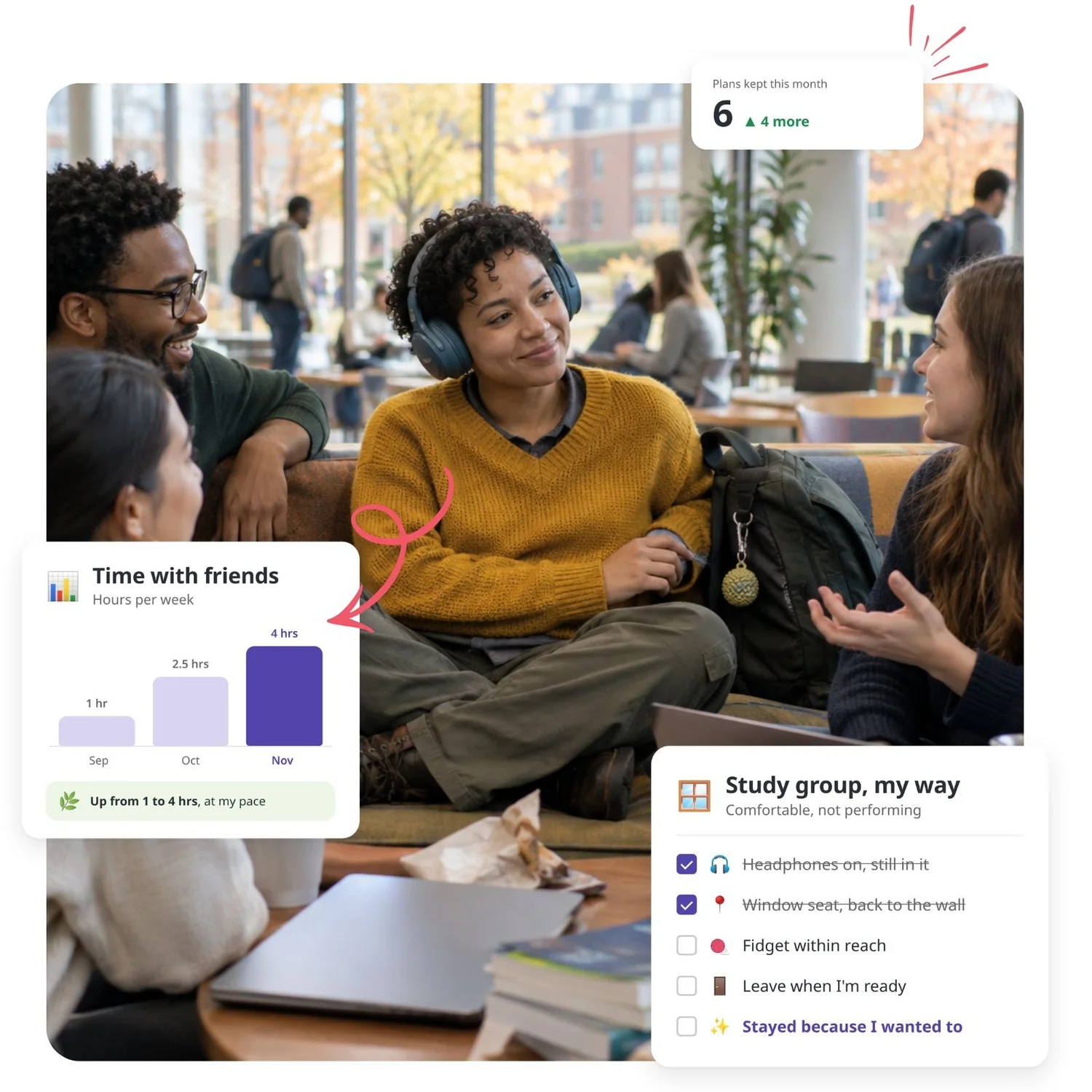
Fitting in shouldn’t mean losing yourself.
Years of rehearsing conversations, hiding your needs, and assimilating to neurotypical sysems can look like coping to others. A late-identification may finally explain your history, but still leave you wondering who you are.
Late identification & masking
Is This You?
Late identification and masking impact 📆 routines, 💼 responsibilities, 🧠 regulation, ☺️ rest, and 💬 relationships. Here are some of the experiences our ND-Affirming OTs have supported.

The Diagnosis Aftershock
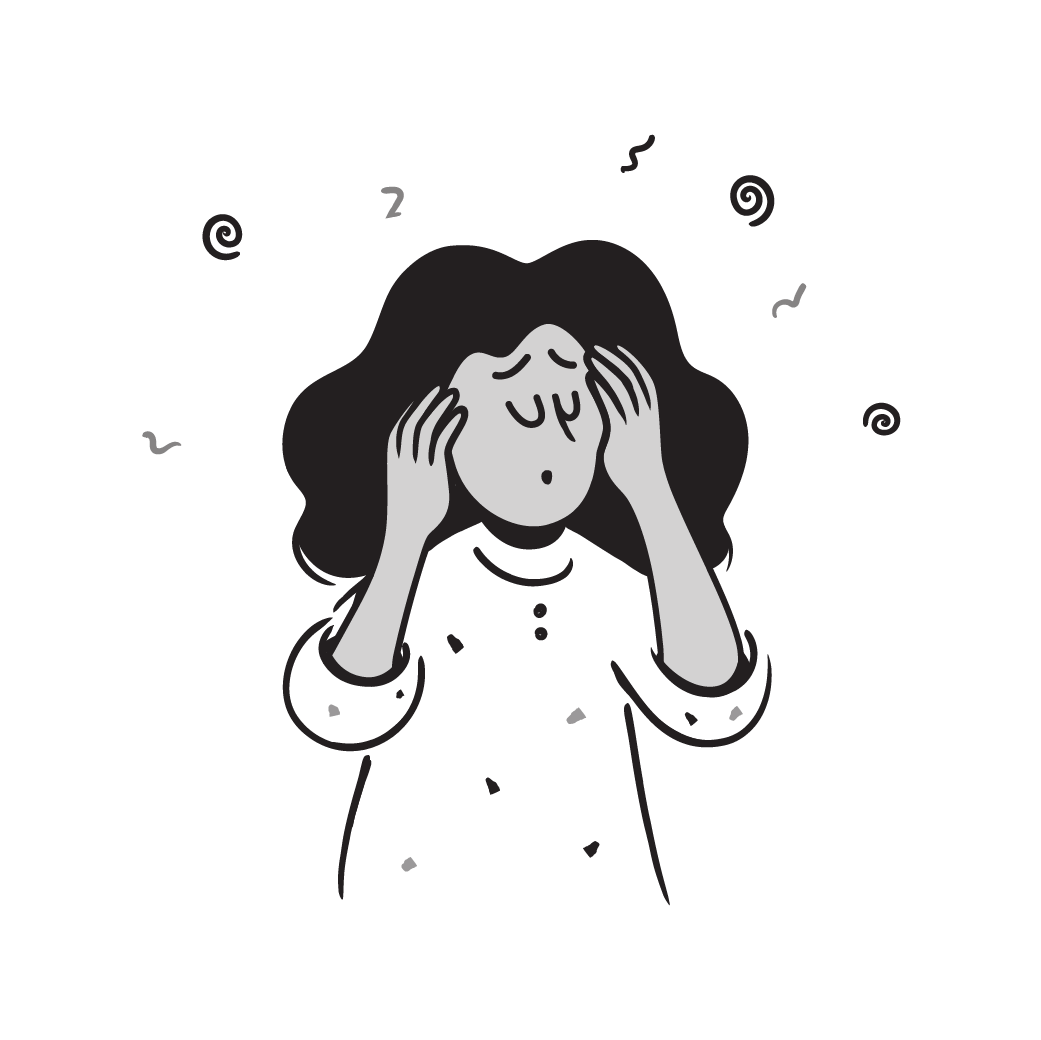
You finally have a name for it at 34. Relief comes first, then grief for the younger you who struggled without support. Now you keep replaying old memories through a new lens.
Scripted Small Talk
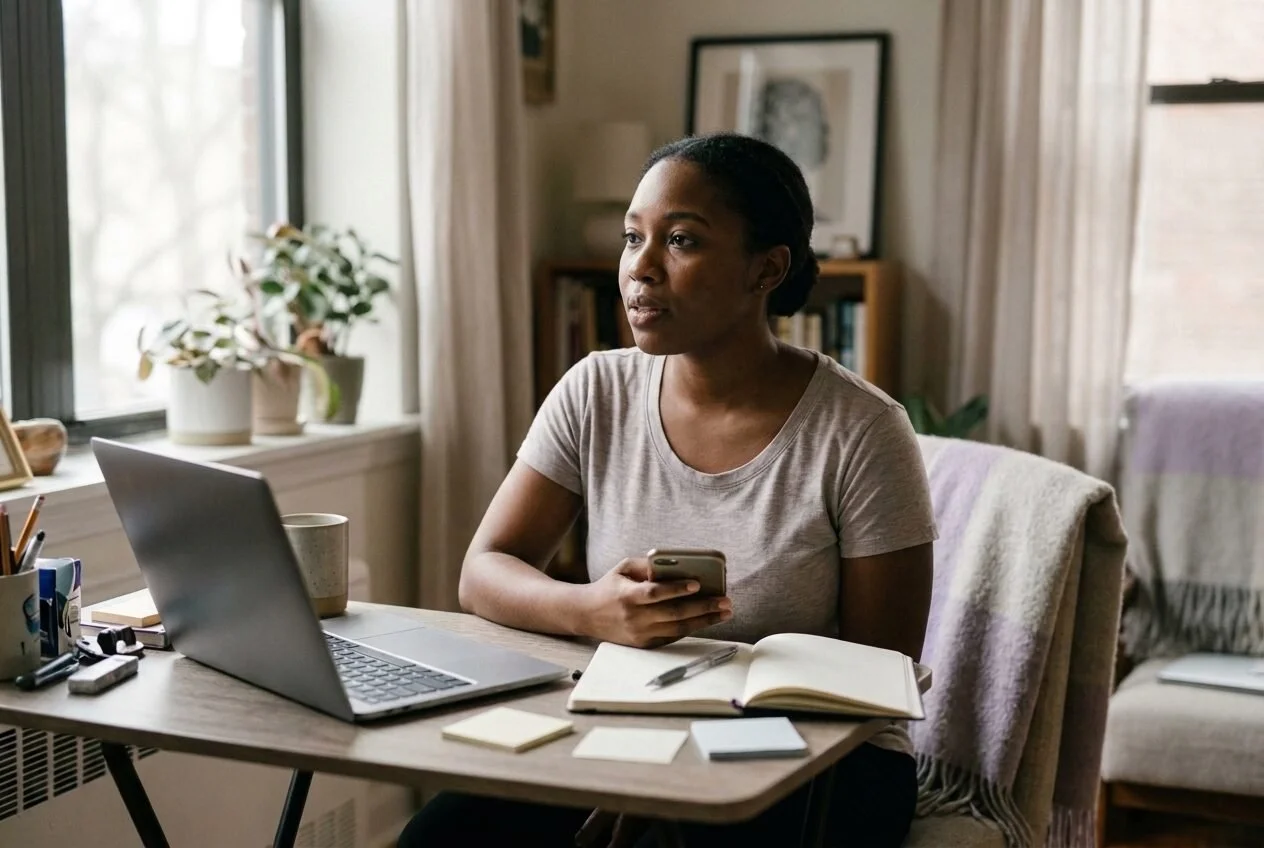
You rehearse conversations before calls and replay them for hours after. You know when to smile, nod and make eye contact. People say you’re great with others. Nobody sees what it takes.
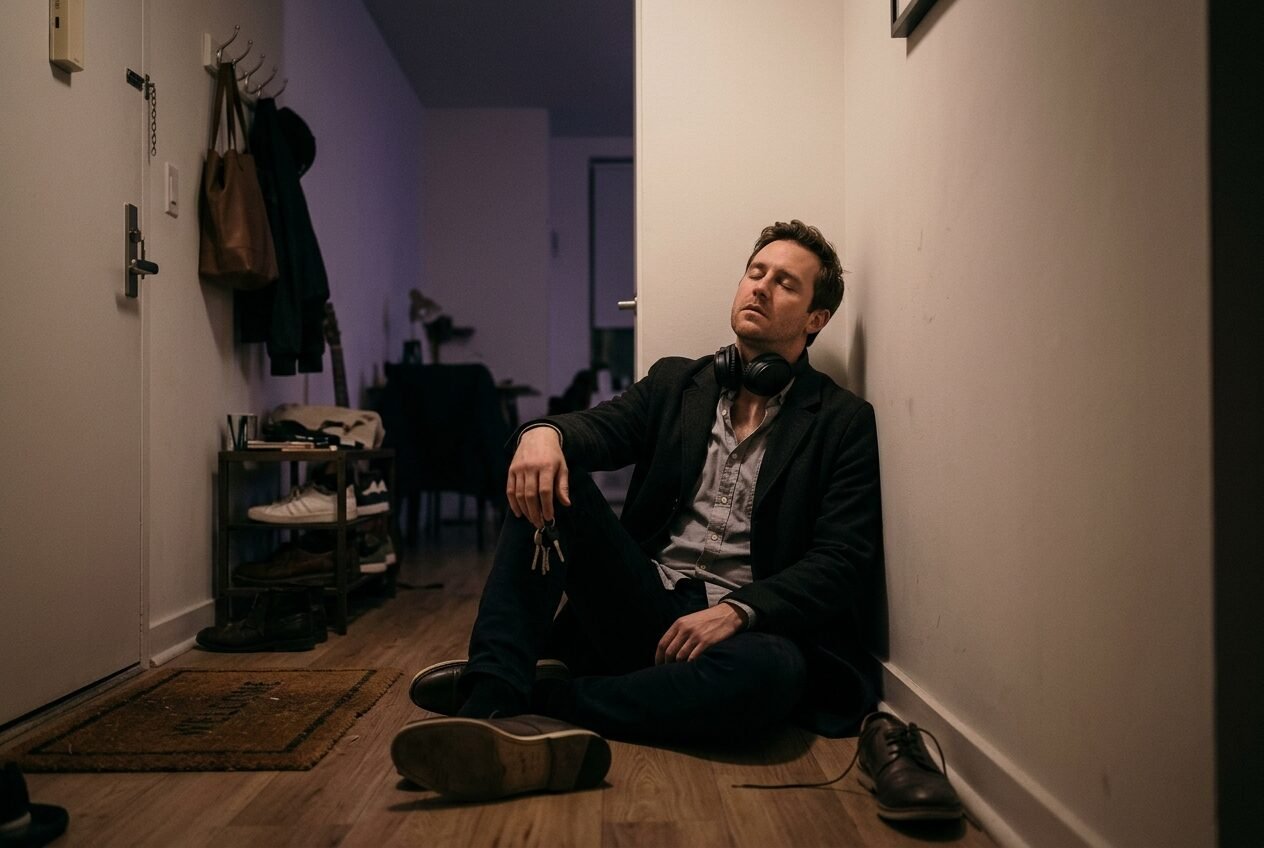
The After-Party Crash
You hold it together all evening, laughing at the right moments and tracking every face. Then you get home, can’t find words, and need a full day alone to recover.
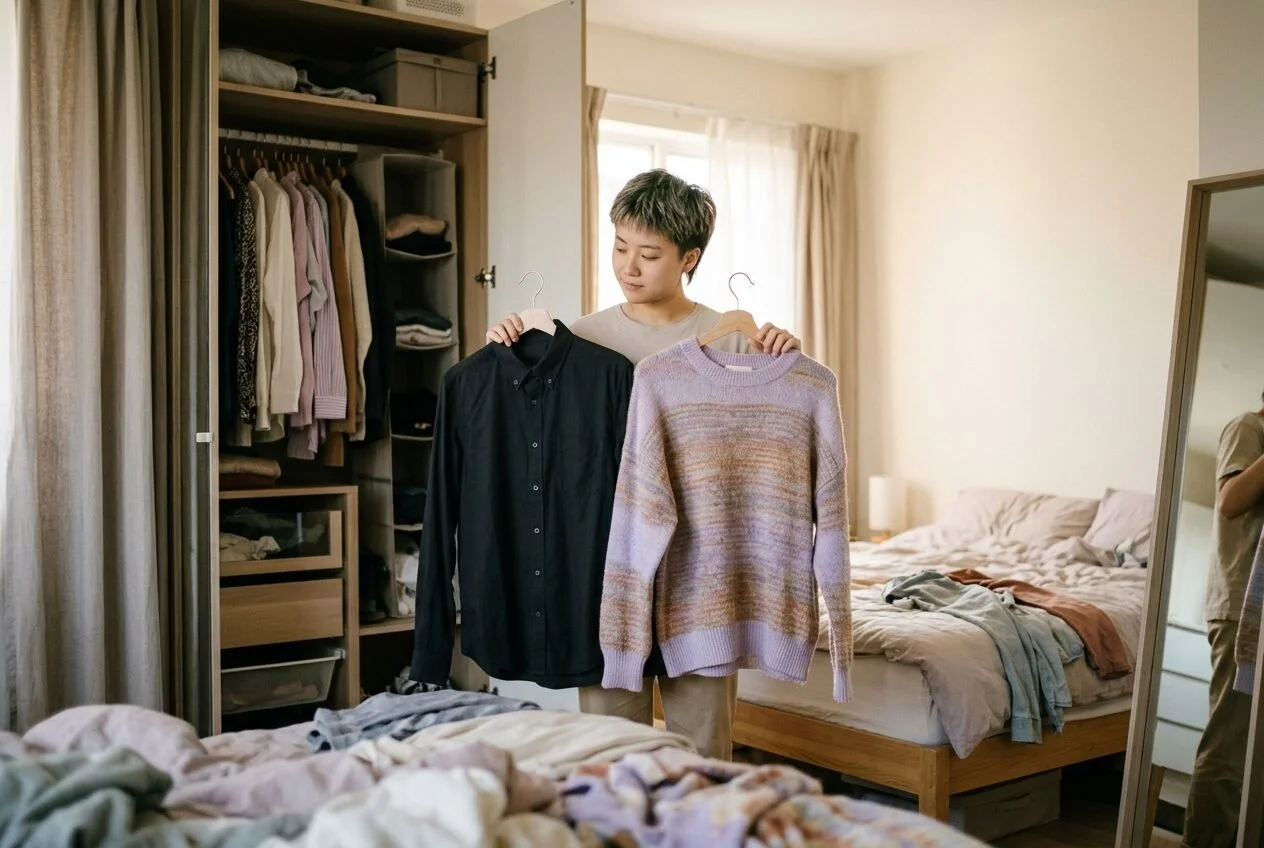
Who Am I, Really?
You’ve mirrored other people for so long that you’re not sure which preferences are yours. You want to unmask, but you don’t know where to start or where it feels safe.
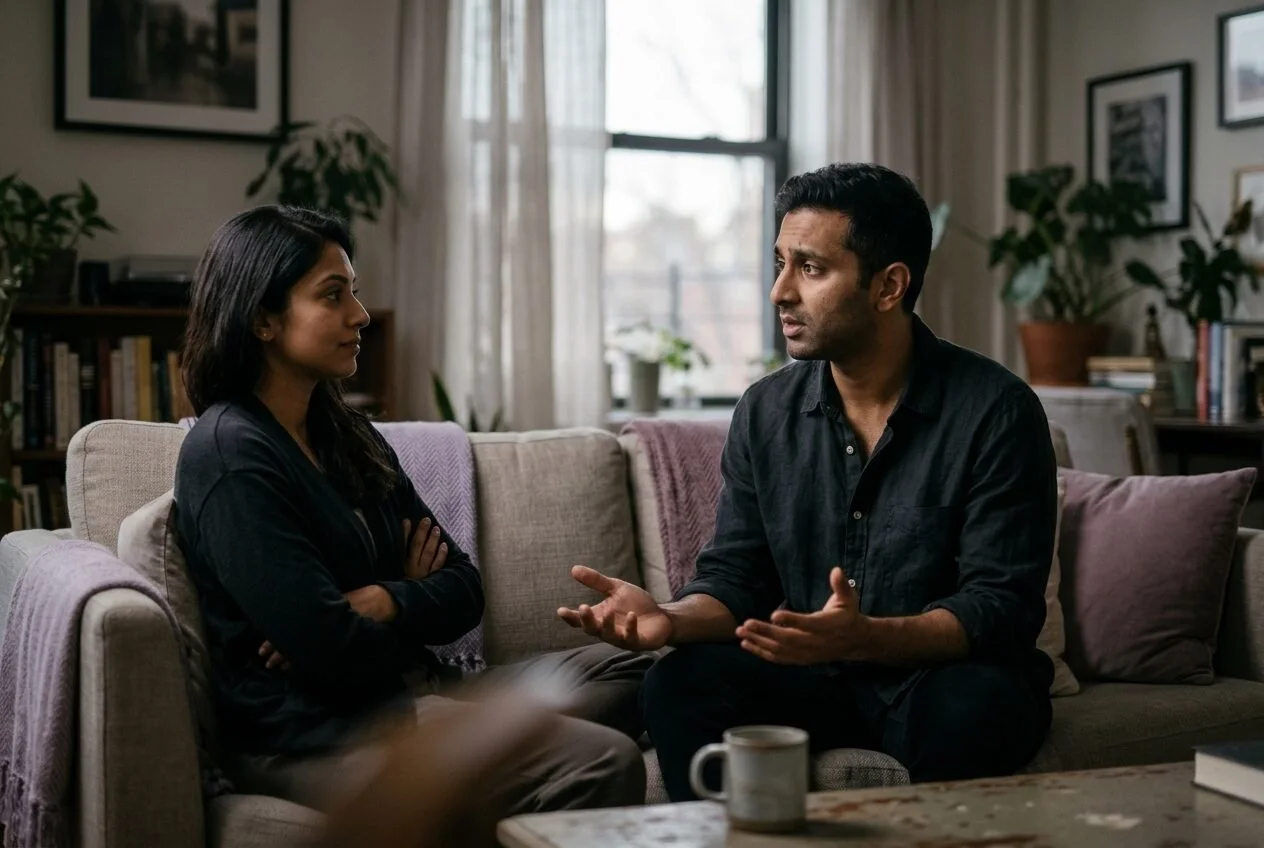
Telling the People You Love
You want your partner, family or friends to understand. Instead you hear “you don’t seem Autistic” or “everyone’s a little like that.” Each conversation starts to feel like a risk.
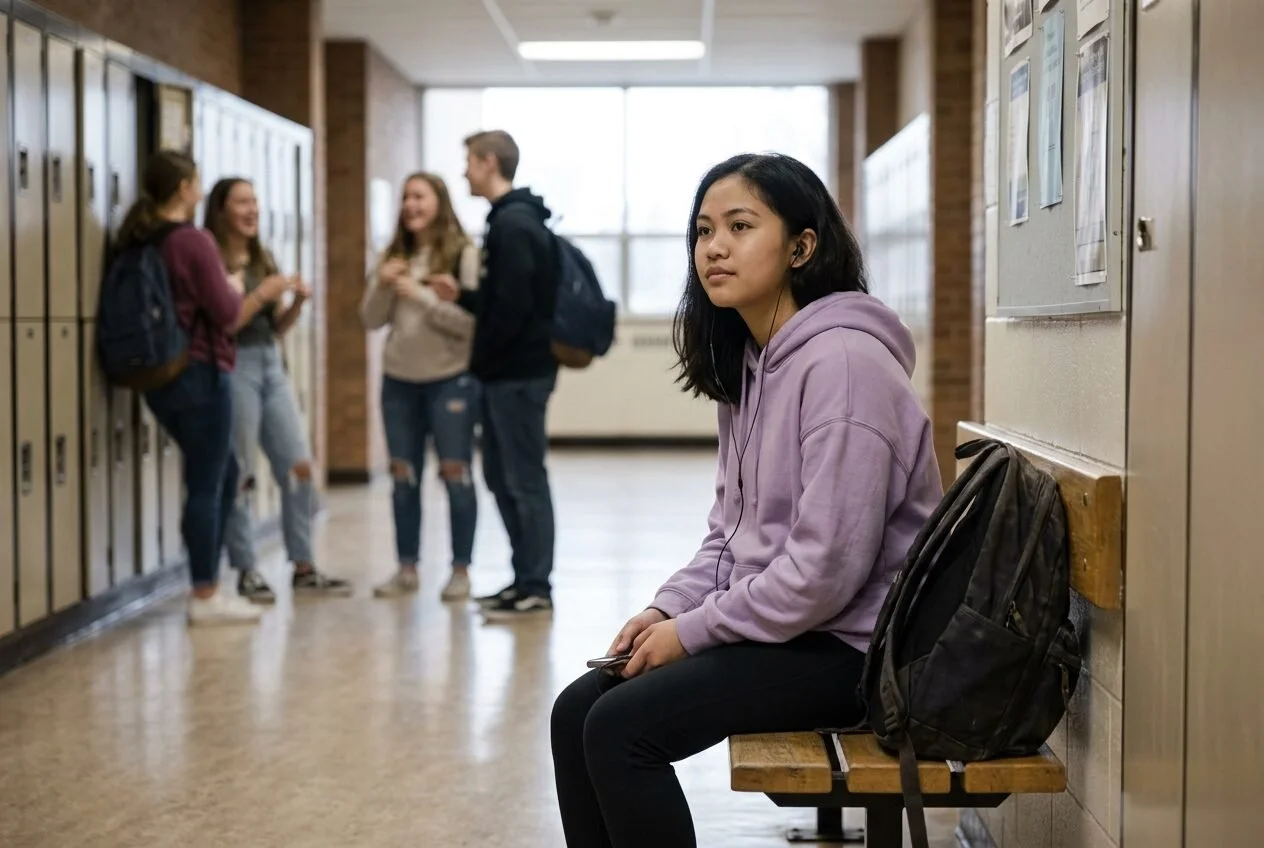
Newly Identified at 16
You just learned you’re Autistic. You’ve spent years studying friends so you could fit in. Part of you is relieved. Part of you worries everyone will see you differently now.
Helped 1,000+ ND clients across Canada.
Our approach
Unmasking isn’t all or nothing.
You don’t have to drop every coping strategy overnight. The idea that you could is a misnomer.
Our OTs help you make sense of your diagnosis, notice what camouflaging costs you, and support you to show up more as yourself, on your own terms.
ND-Affirming OT can look like:
-
A diagnosis that makes sense
-
Masking by choice, not by default
-
Communication that fits you
-
Relationships with more ease
And much more, built around your well‑being and autonomy.
-
Free Discovery CallWe learn more about your support needs, answer questions, and confirm fit.
-
Match with Your OTSomeone who deeply understands Autistic and AuDHD adults and teens.
-
Unmasking at Your PaceIdentity and social relationships explored on your terms. No pressure to perform.
Free 15-min call. No prep needed.
before you book.
How It Works
Getting Started
Late identification FAQ
Late identification & masking, explained
Answers for Autistic and AuDHD teens and adults, and the people who support them.
Relief, grief, anger and doubt often arrive together. A diagnosis can explain years of struggle and raise questions about the support you missed. Many late-identified people describe this overwhelming mix, and it often shifts with time. OT can be a space to process it all with support.
Masking, sometimes called camouflaging, means hiding or adjusting Autistic traits to fit in. It can include scripting conversations, forcing eye contact or suppressing stims. Masking is often a response to stigma, and many people link long-term masking to exhaustion and Autistic burnout.
Not usually. Masking often starts in childhood and becomes automatic, so many people don’t notice they’re doing it until they’re exhausted. Calling it a choice misses how deep it runs. Unmasking is less like flipping a switch and more like noticing and unlearning, with support.
No. Unmasking isn’t all or nothing. Many people drop the mask where it feels safe and keep some strategies elsewhere. Safety isn’t equal, though. Black, Indigenous and racialized Autistic people can face greater risks when traits are misread, and many workplaces aren’t safe places to unmask. OT helps you make those choices on your terms.
An OT looks at how being Autistic or AuDHD shows up in your daily life, from sensory needs to communication and energy. Together you sort out which supports, routines and environments help, plan disclosure if you want it, and practice showing up as yourself.
Everyday OT is a neurodiversity-affirming occupational therapy clinic for diagnosed, late-identified, or self-identifying Autistic and AuDHD teens and adults, and the people who support them. For late identification and masking support, our OTs help you process a diagnosis or self-identification, understand your communication and sensory style, and reduce masking where it feels safe. Support can include identity exploration, communication preferences, disclosure planning and family coaching. Everyday OT offers telehealth across BC, Alberta, Ontario, and Atlantic Canada, plus in-person OT in Vancouver, Burnaby, Squamish, Victoria, Canmore, the Tri-Cities and Calgary.