Sensory Processing Support
for Autistic & AuDHD Teens and Adults
Uncommon senses.
Neuroaffirming OT support to explore your sensory experiences, build toolkits and a lifestyle that works, and shape spaces that fit.
Book a Free Discovery Call →Free 15-min call. No prep needed.
before you book.
The sensory gap
Being misread can wear you down as fast as the noise.
Overload gets called anxiety, shutdown gets called laziness and food limits get called picky, so the sensory root goes unnamed and you start believing every label you were handed.
Sensory processing
Is This You?
Sensory processing differences impact 📆 routines, 💼 responsibilities, 🧠 regulation, ☺️ rest, and 💬 relationships. Here are some of the experiences our ND-Affirming OTs have supported.
Making Sense of Sensory
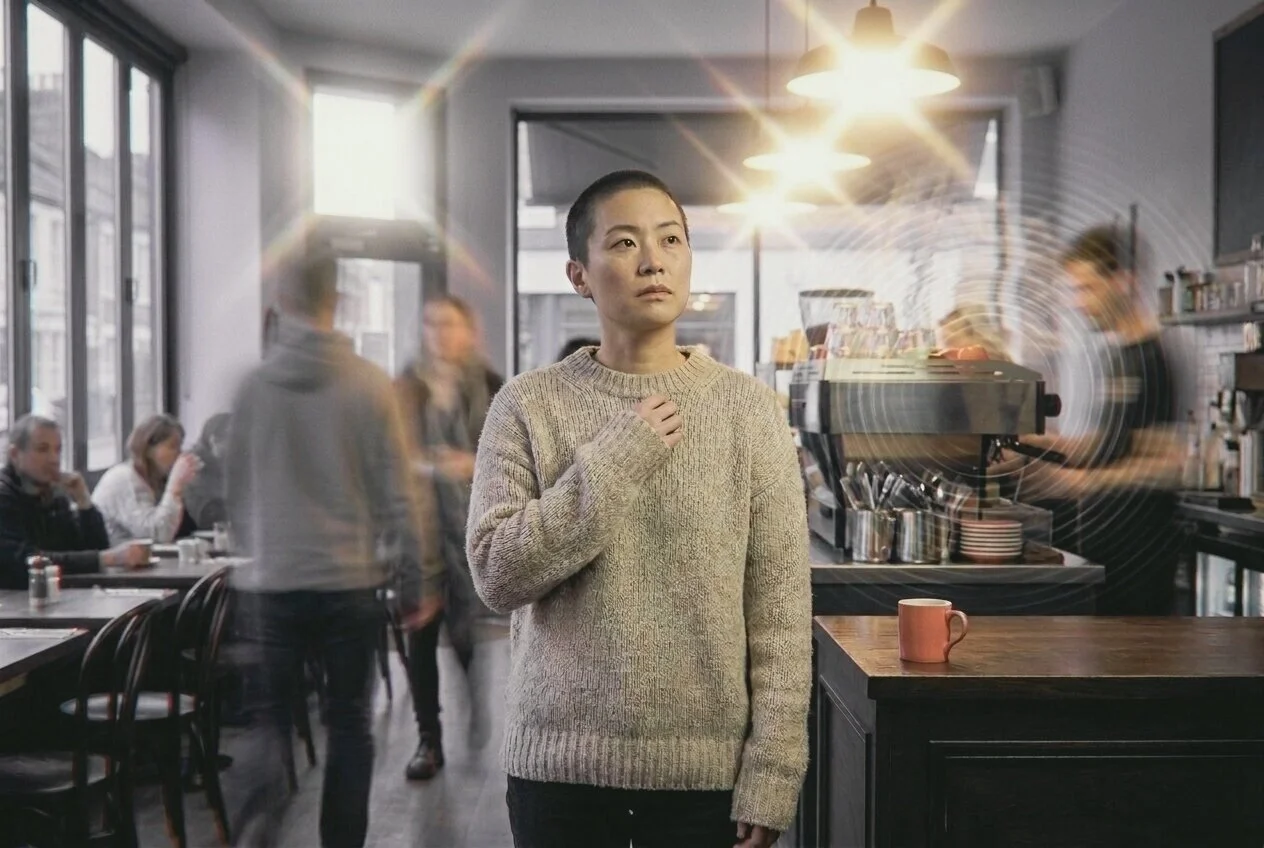
You know certain sounds, textures, or crowds feel unbearable. Maybe the sensory part of your diagnosis is still unclear. You want words for your experience and practical tools that fit your day.
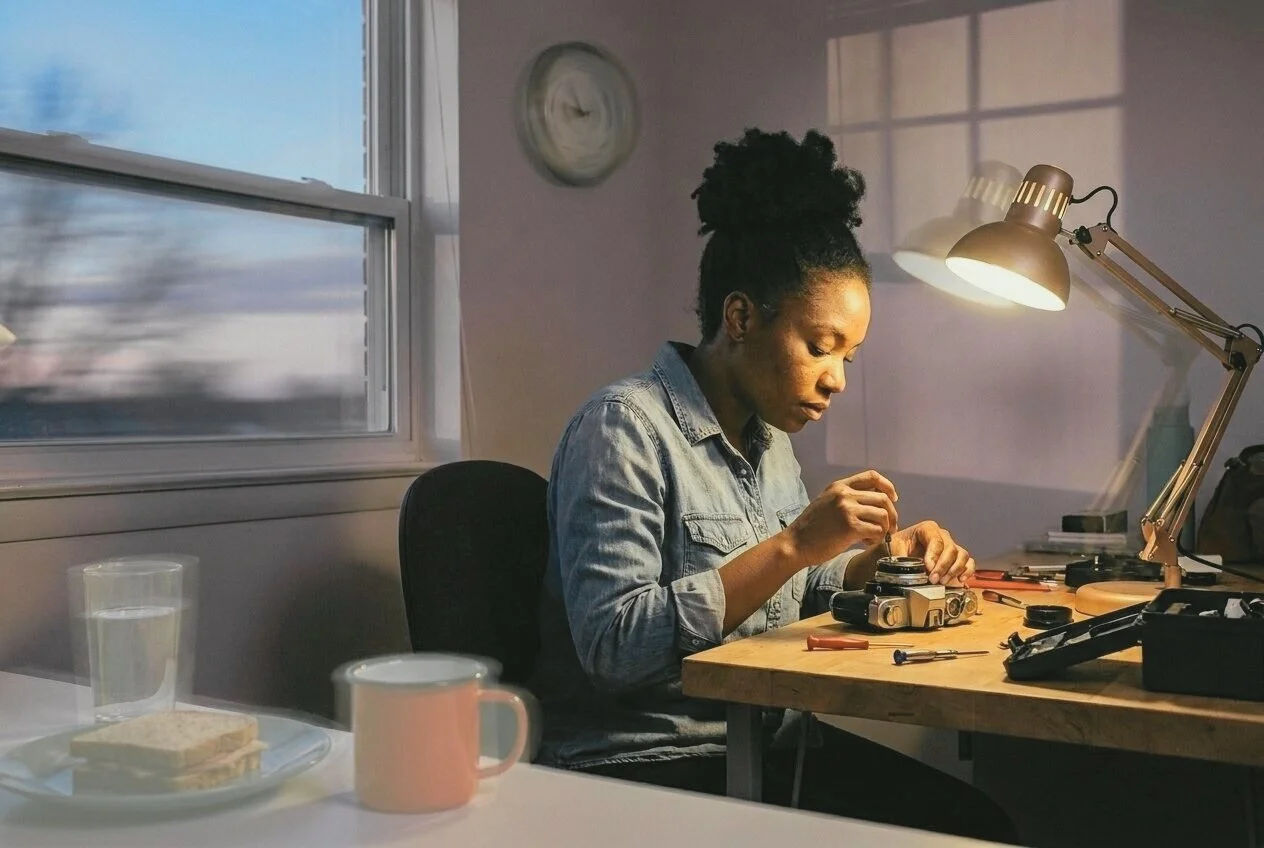
Missing the Signals
You get absorbed in something and miss lunch again. Hunger, thirst, and emotions only register once they feel urgent. When someone asks what you need, you honestly don’t know where to start.
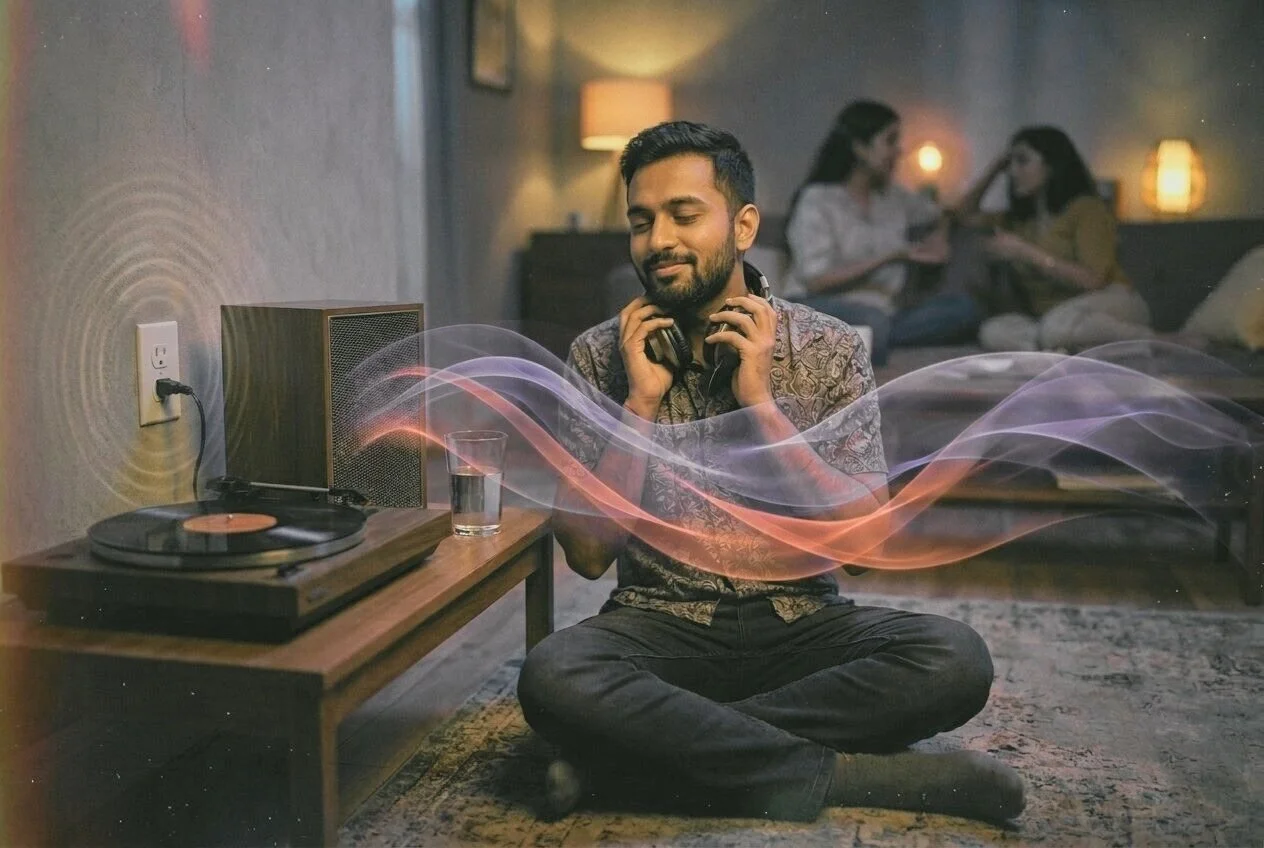
Nuanced Experiences
Maybe sounds have colours or numbers have personalities. Prosopagnosia. ARFID. You can hear electricity in the wall, but miss big chunks of conversations. Your sensory needs don’t fit one label like "avoider."
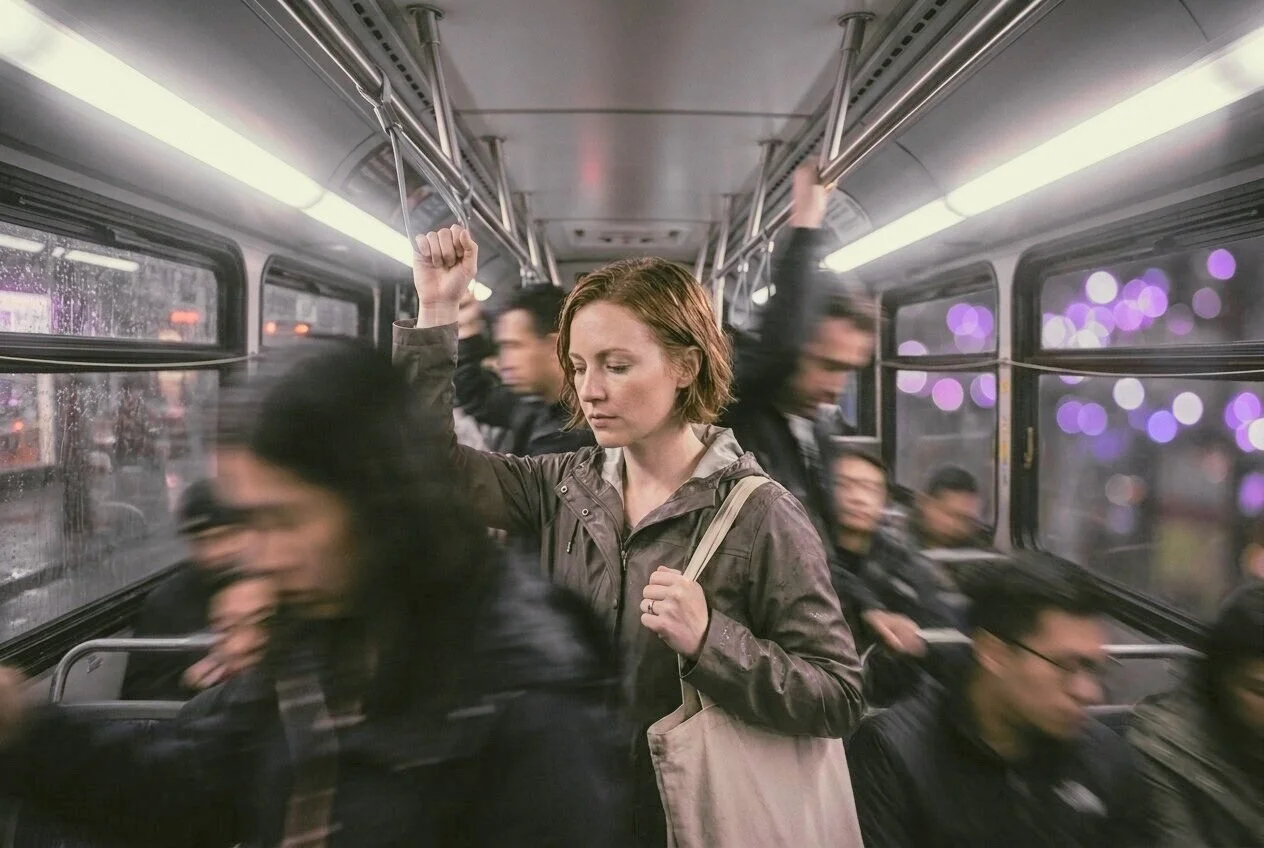
Anxiety Is Sensory
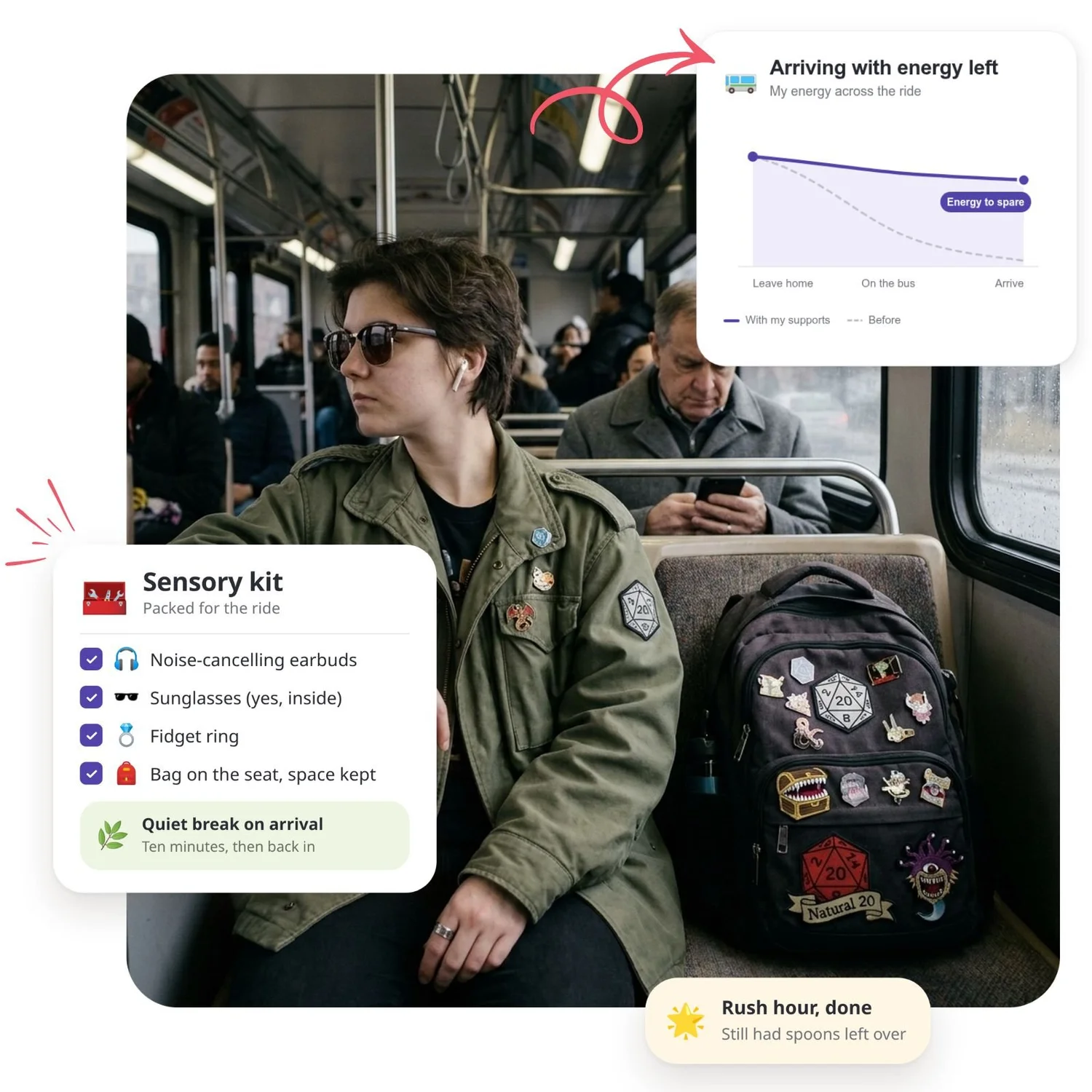
You dread the bus before leaving work. Crowds, bright lights, and unexpected touch pile up. Anxiety may be part of it, but nobody has helped you work out what your senses need.
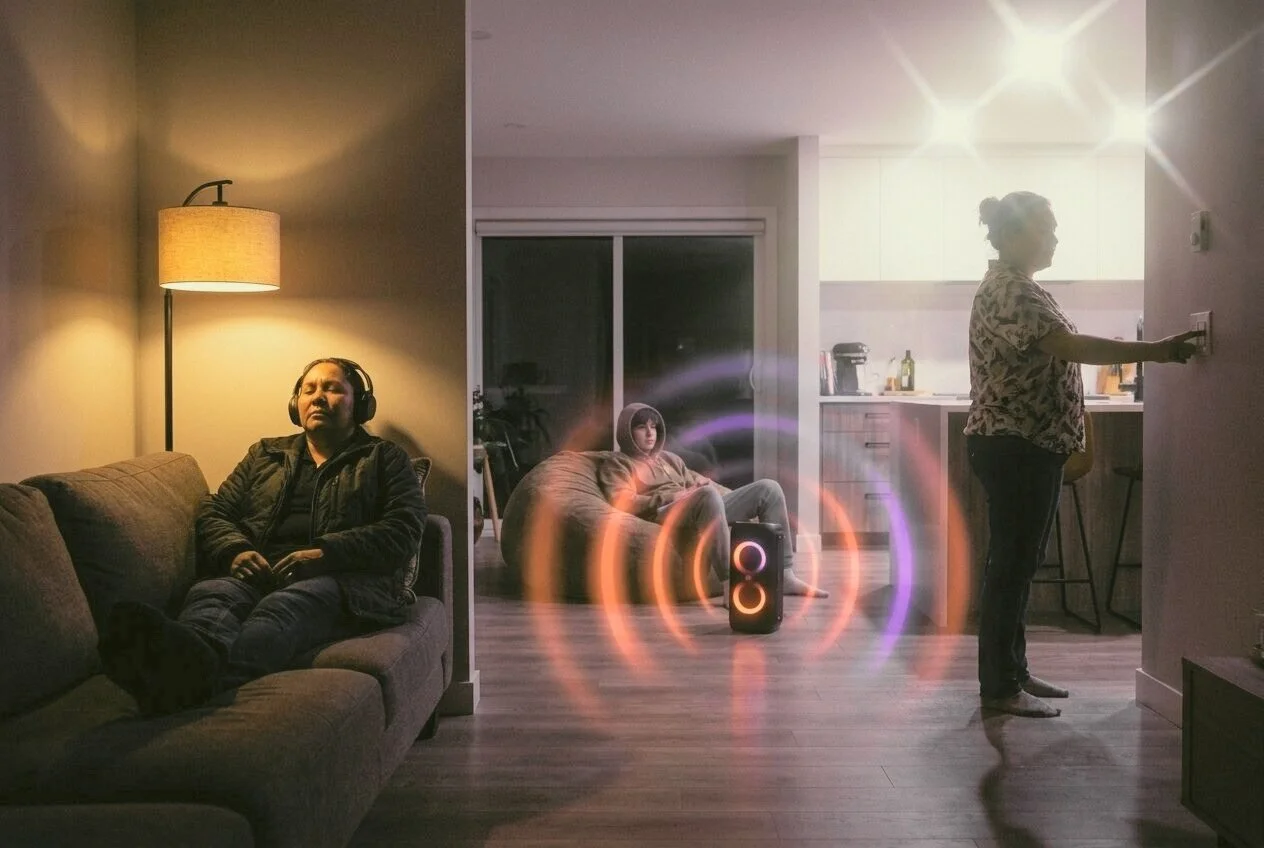
Clashing Needs at Home
You need quiet after work. Your teen needs music, and your partner wants every light on. Everyone’s trying to feel comfortable at home. You want a home with space for everyone’s needs.
Self-Care Feels Impossible
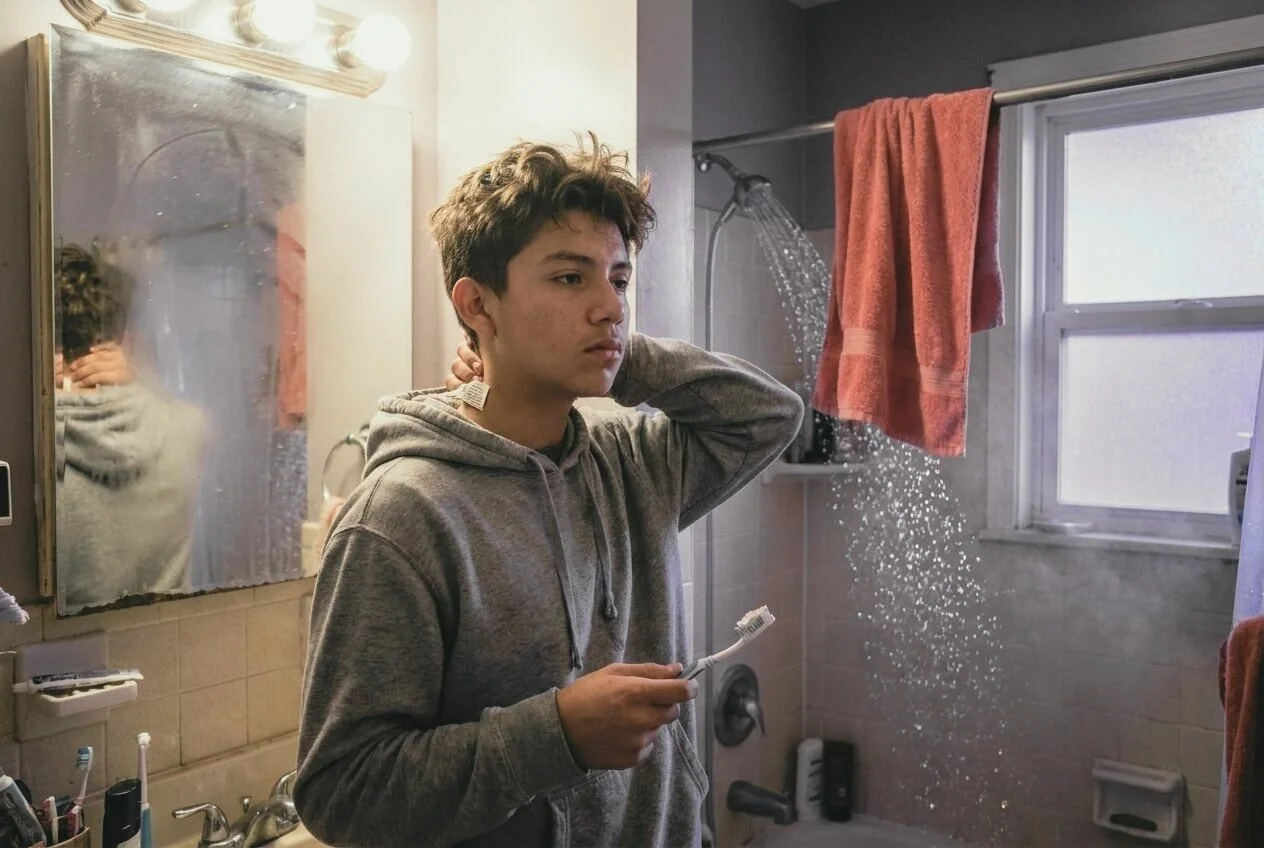
Your teen puts off showering again. Water on their face, toothpaste, and scratchy seams make getting ready overwhelming. You see how much effort it takes. You want mornings that feel easier for them.
Helped 1,000+ ND clients across Canada.
Our approach
Sensory needs are access needs.
It makes sense that the grocery store wipes you out. It’s loud, bright, unpredictable, and smells terrible.
Our OTs help make the invisible visible so you (and others) can adapt routines, spaces and supports around how your senses work.
ND-Affirming OT can look like:
-
Profiles beyond seeker or avoider
-
Body cues noticed sooner
-
Your stims, fully protected
-
Strategy experiments that work
And much more, built around your well‑being and autonomy.
-
Free Discovery CallWe learn more about your support needs, answer questions, and confirm fit.
-
Match with Your OTSomeone who deeply understands Autistic and AuDHD adults and teens.
-
Days That Fit Your SensesSpaces, routines and recovery shaped for your sensory processing needs.
Free 15-min call. No prep needed.
before you book.
How It Works
Getting Started
Sensory processing FAQ
Sensory processing, explained
Answers for Autistic and AuDHD teens and adults, and the people who support them.
Busy places pile up noise, light, smells, movement and unpredictability all at once. For many Autistic and AuDHD people, that load builds faster and takes longer to recover from. It’s an access need, not oversensitivity, and it can be planned for.
Often both, and they feed each other. Sensory overload can feel like anxiety, and anxiety can lower your sensory tolerance. Working out what your senses need often eases both. We work alongside your mental health team if you have one.
A sensory profile maps how you take in and respond to sensory input, including signals from inside your body. Some people want a formal profile for clarity or accommodations; others want practical tools. Your OT will help you decide what’s useful.
Yes. Your senses are at work in your own spaces, so telehealth lets your OT see your home, workspace or routine as it really is. Together you test changes, build a sensory toolkit and adjust it over time.
OTs help you understand your sensory patterns, then adapt routines, spaces and supports around them. That might mean a sensory toolkit, changes at home or work, easier hygiene and clothing routines, or a plan for clashing needs at home.
Our neuroaffirming OTs work with Autistic and AuDHD teens and adults on sensory profiles, toolkits and spaces that fit. Telehealth is available across BC, Alberta, Ontario and Atlantic Canada, with in-person OT in select cities. Start with a free Discovery Call.