Executive Functioning Support
for Autistic & AuDHD Teens and Adults
Different thinking.
Neuroaffirming telehealth OT support to plan and prioritize your days, start and finish tasks, and build systems that fit your cognitive style(s).
Book a Free Discovery Call →Free 15-min call. No prep needed.
The executive functioning gap
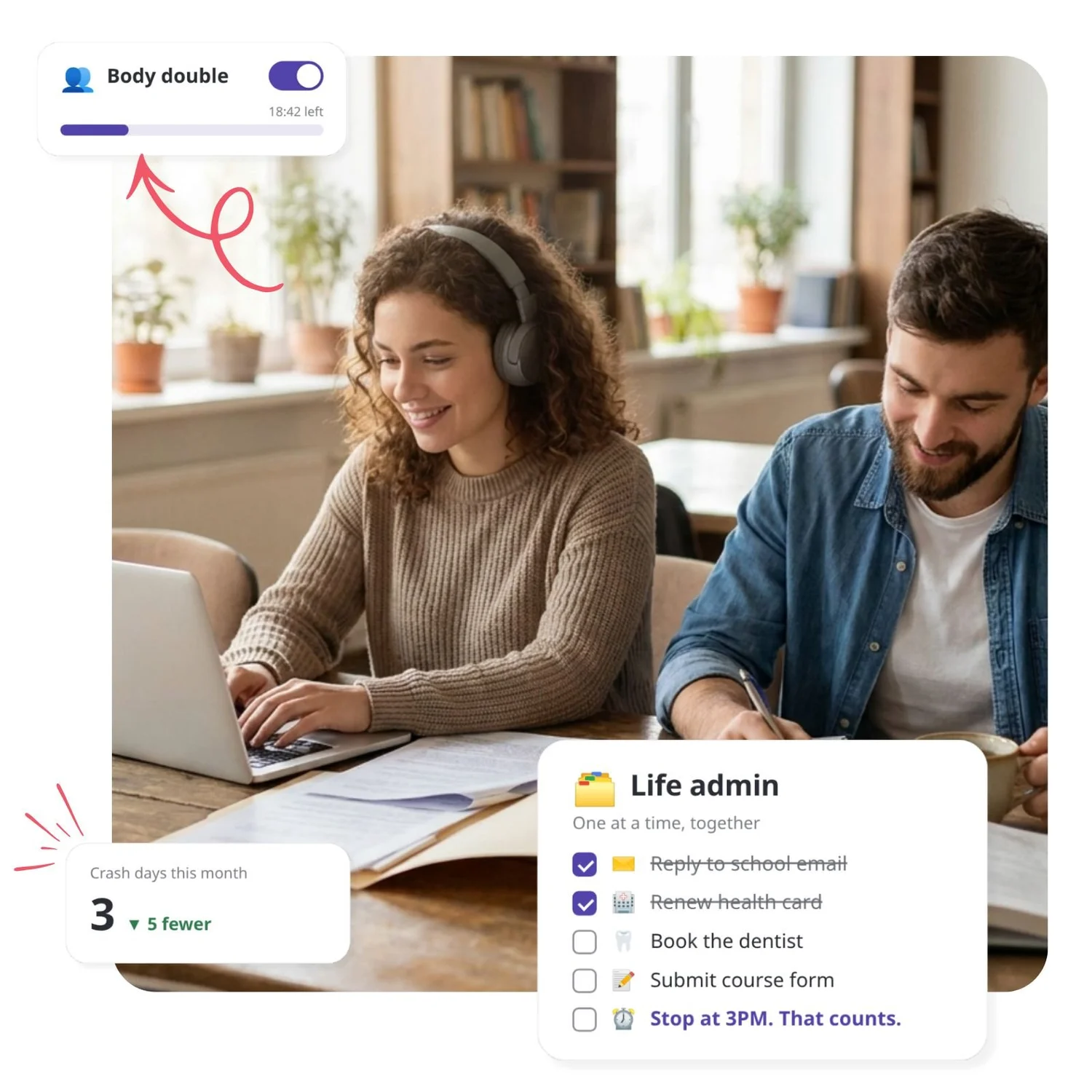
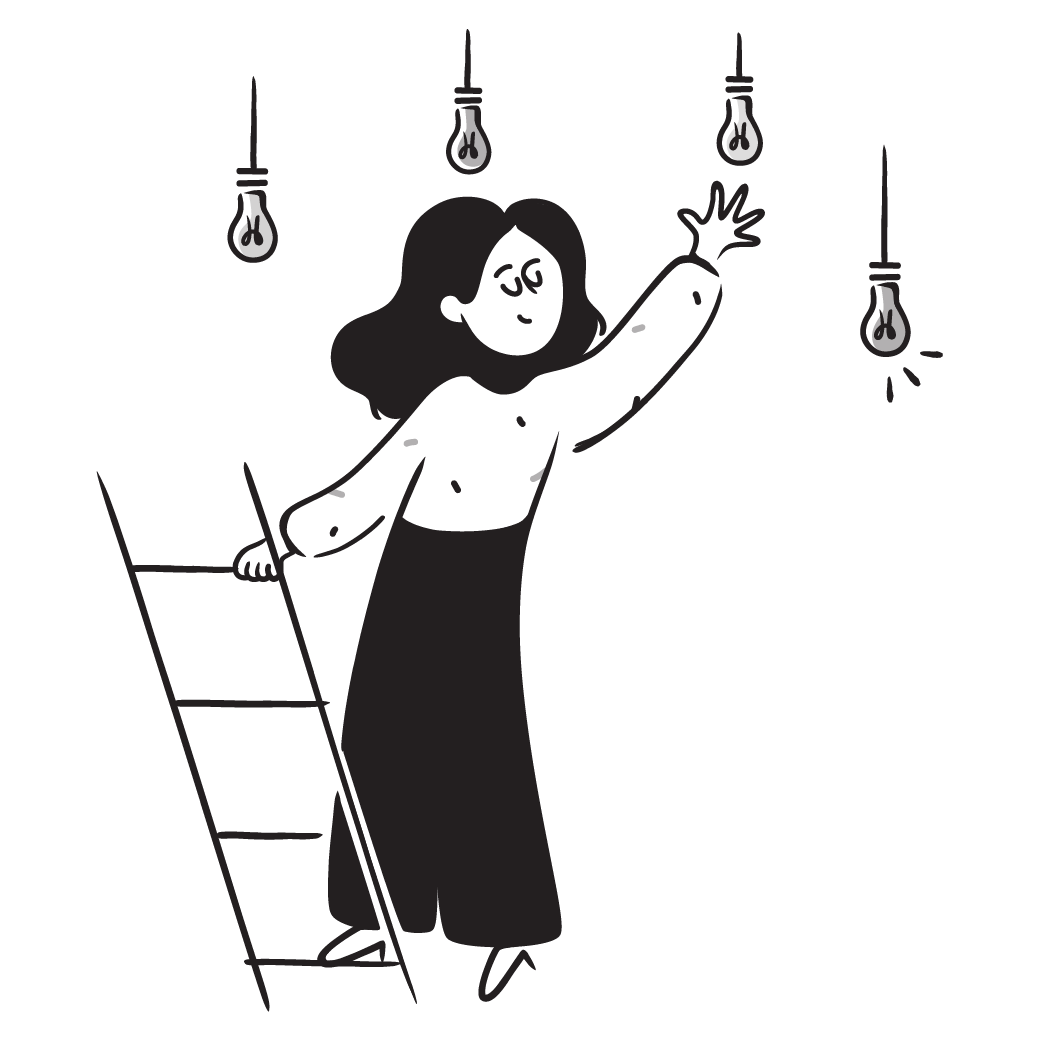
Hyperfocus and inertia come from the same wiring.
Monotropic attention locks onto special interests and bottom-up processing builds plans from the details up, so the same wiring that powers deep work makes prioritizing small, boring starts feel impossible on your own.
Executive functioning
Is This You?
Executive functioning differences impact 📆 routines, 💼 responsibilities, 🧠 regulation, ☺️ rest, and 💬 relationships. Here are some of the experiences our ND-Affirming OTs have supported.

Holding It Together
At work, you’re the high performer. At home, dishes pile up and weekends are for collapsing. Your partner is picking up the slack. You hold it together all week, then fall apart where no one sees.
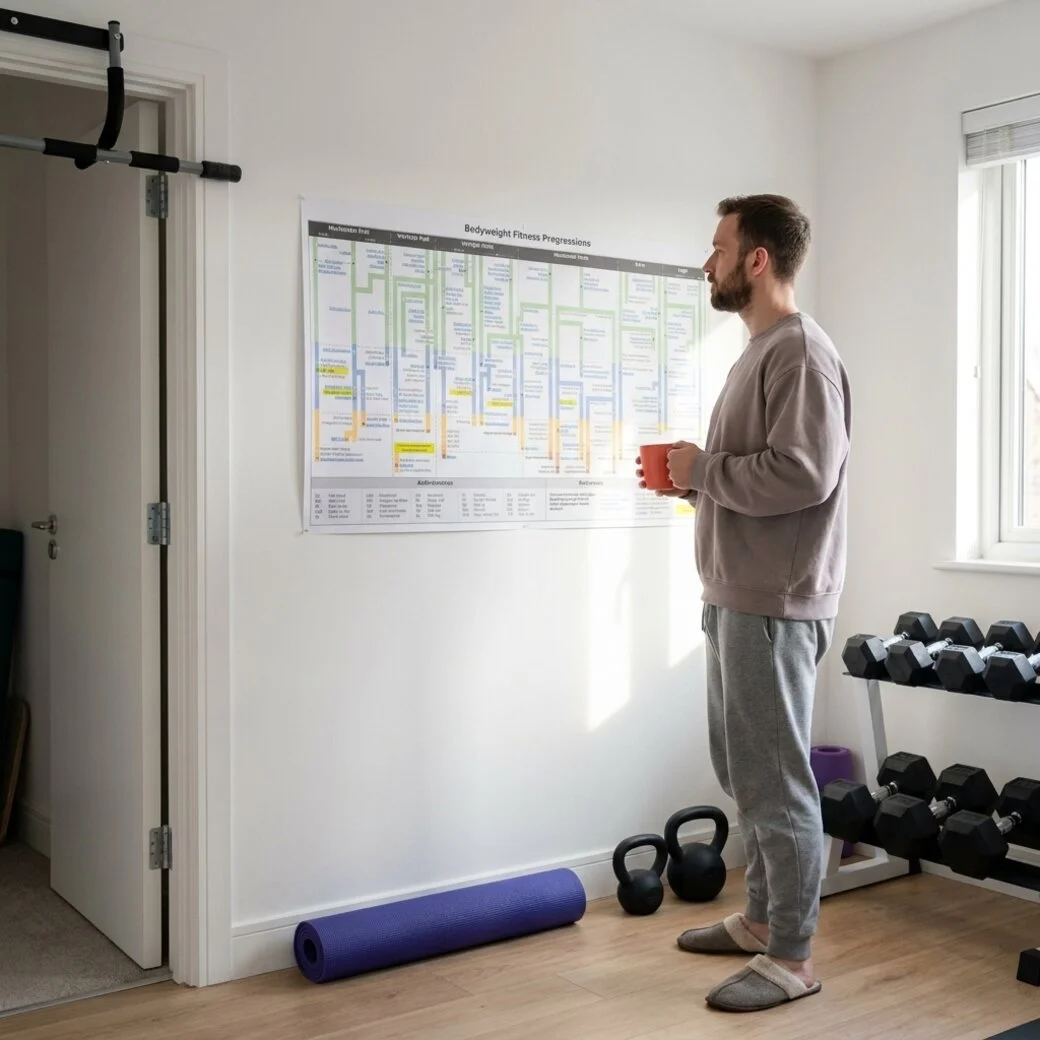
Stuck at the Start
You built the colour-coded workout plan and the AI second brain. You still haven’t lifted a weight or sent the application. You know exactly what to do. Your brain just won’t start.
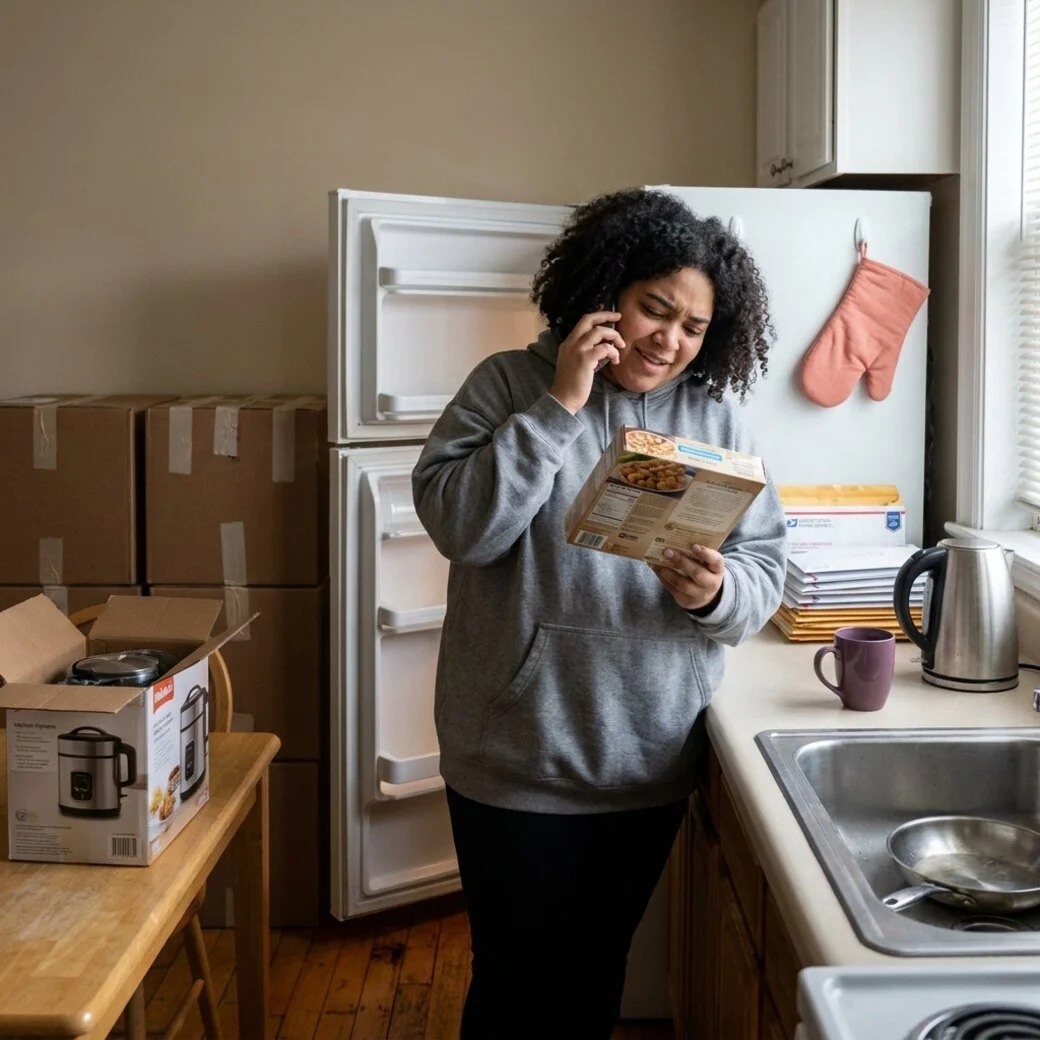
Missing the Manual
Feeding yourself, cleaning the kitchen, paying bills, booking your own appointments. Knowing what your job expects, or when to ask. Everyone else seems to have a manual you never got.
Bright but Stuck
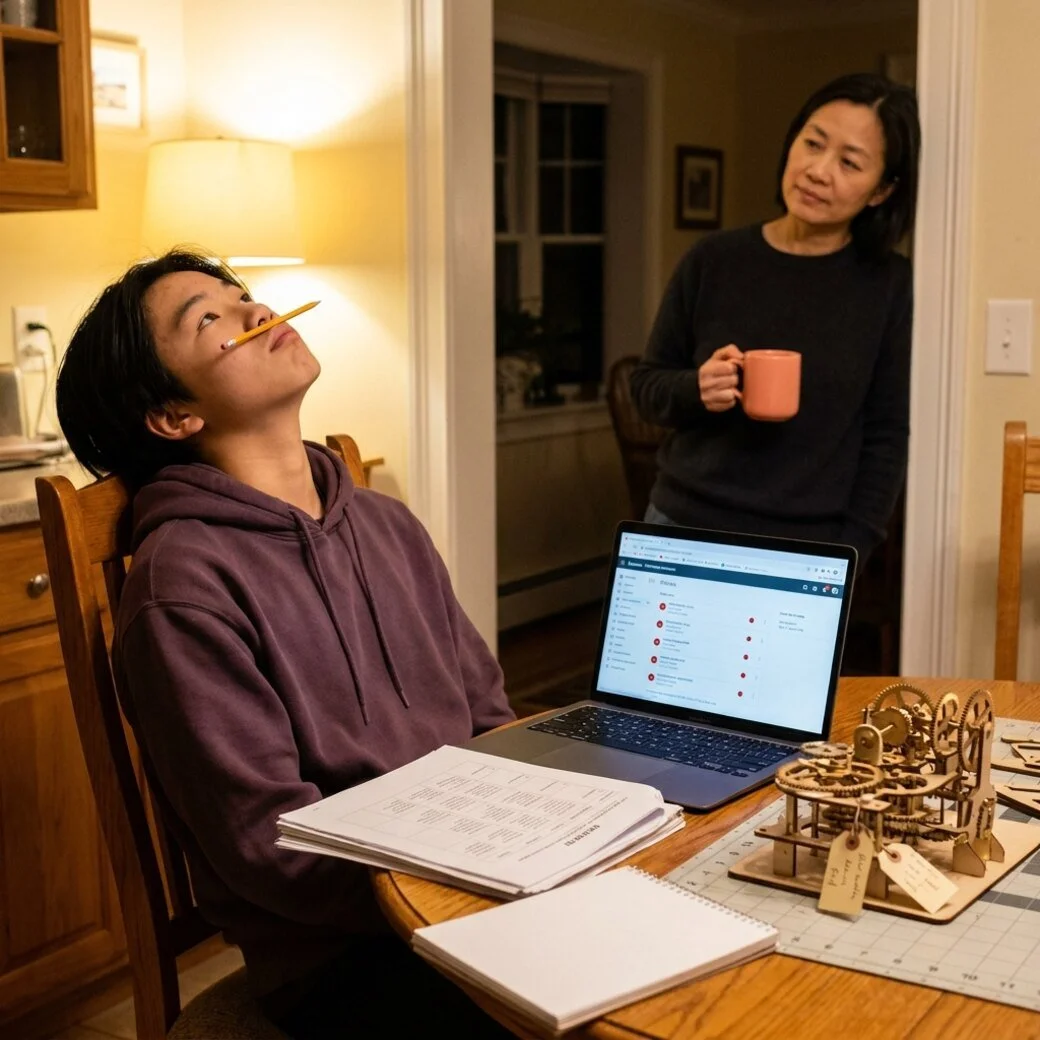
Your teen is bright, and everyone says so. Anything outside their interests feels like wading through mud. Long projects have no clear checkpoints. Graduation keeps feeling further away, and you’re not sure how to help.

Being Your Own Boss
You went out on your own because a 9-to-5 wasn’t survivable. Now you’re the worker, the admin, and the billing department. Nobody sets your deadlines, so everything slides or everything’s urgent. Rest never makes the list.

Last on the List
You’re coordinating appointments, funding forms, school meetings, and your kids' care team. Your own needs come last. You’re navigating systems built for neurotypical families on energy you don’t have. Somebody should be in your corner too.
Helped 1,000+ ND clients across Canada.
Our approach
Motivation isn’t the missing piece.
A new planner rarely helps when you’re frozen at your desk, knowing what to do.
Our OTs help you understand how your attention and energy move, and adapt your routines, workspaces and supports around what matters to you.
ND-Affirming OT can look like:
-
Starting with less friction
-
Priorities that feel clear
-
Progress you can see
-
Momentum you don’t carry alone
And much more, built around your well‑being and autonomy.
-
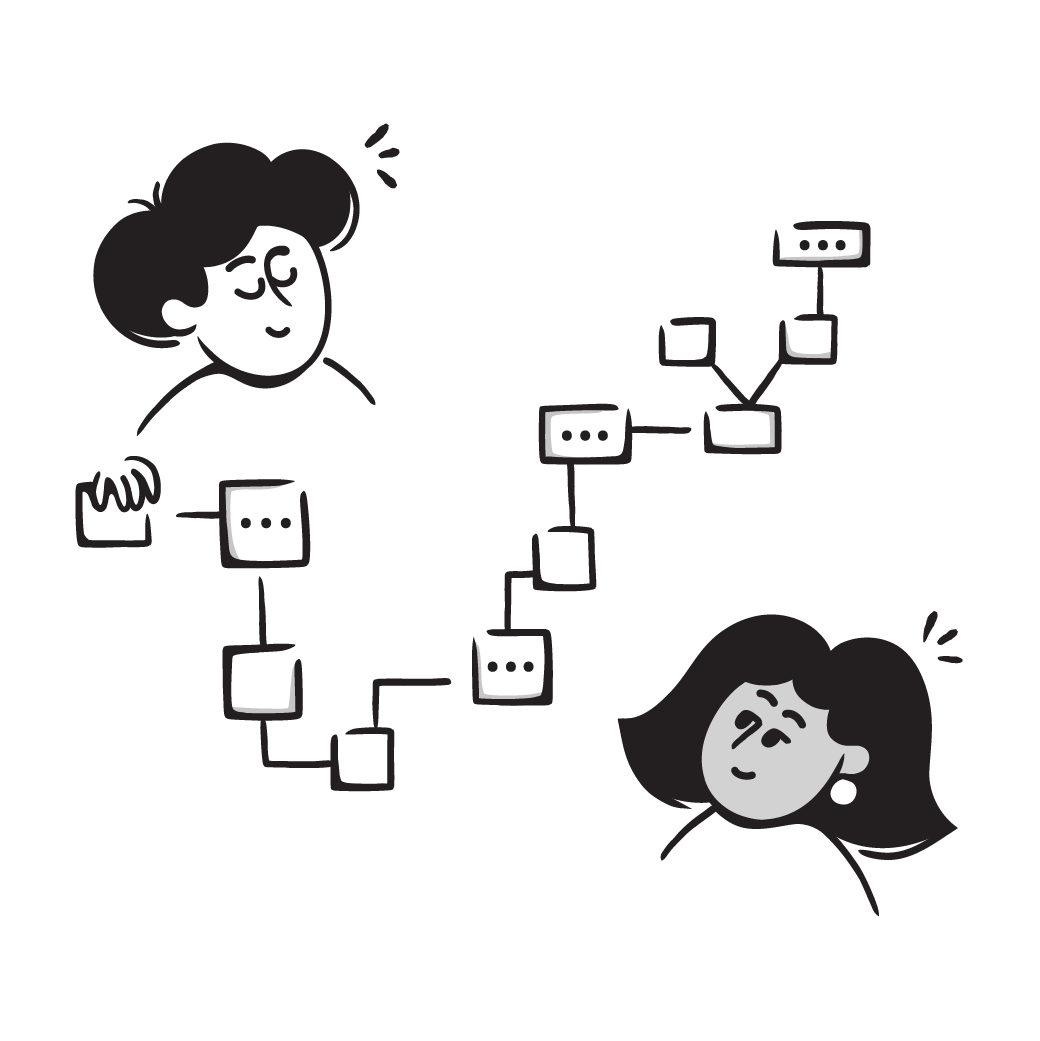
Free Discovery CallWe learn more about your support needs, answer questions, and confirm fit.
-
Match with Your OTSomeone who deeply understands Autistic and AuDHD adults and teens.
-
Days That Fit Your BrainStructure, body doubling, and systems co-built around you.
Free 15-min call. No prep needed.
before you book.
How It Works
Getting Started
Executive functioning FAQ
Executive functioning, explained
Answers for Autistic and AuDHD teens and adults, and the people who support them.
Starting is an executive function, not a measure of effort or motivation. For many Autistic and AuDHD people, monotropic attention and bottom-up processing make small, boring starts hard. OT looks at what’s getting in the way and builds supports that make starting easier.
Executive functioning differences show up in autism, ADHD and AuDHD, and stress, burnout and poor sleep can make them worse. We don’t diagnose, but we work alongside your doctor or psychologist. You don’t need a diagnosis to get support.
We start with how you think, what you care about and where things break down, then build systems with you and adjust them until they hold up in real life.
Yes. Much of this work happens where the tasks live: your desk, your inbox, your kitchen. On video, your OT can work interactively, see your setup, and build systems with you on screen.
OTs look at the whole day: tasks, routines, environment, energy and sensory load. We help you plan and prioritize, break down starts, use body doubling or external cues, and set up systems that work with your interests instead of against them.
Our neuroaffirming OTs work with Autistic and AuDHD teens and adults on planning, starting, finishing and juggling responsibilities. Telehealth is available across BC, Alberta, Ontario and Atlantic Canada, with in-person OT in select cities. Start with a free Discovery Call.