School & Home Learning Support
for Autistic & AuDHD Teens and Students
Learning that's graduated.
Neuroaffirming telehealth OT support to shape school accommodations, plan a move to home learning, and thrive in college or university.
Book a Free Discovery Call →Free 15-min call. No prep needed.
before you book.

The school gap
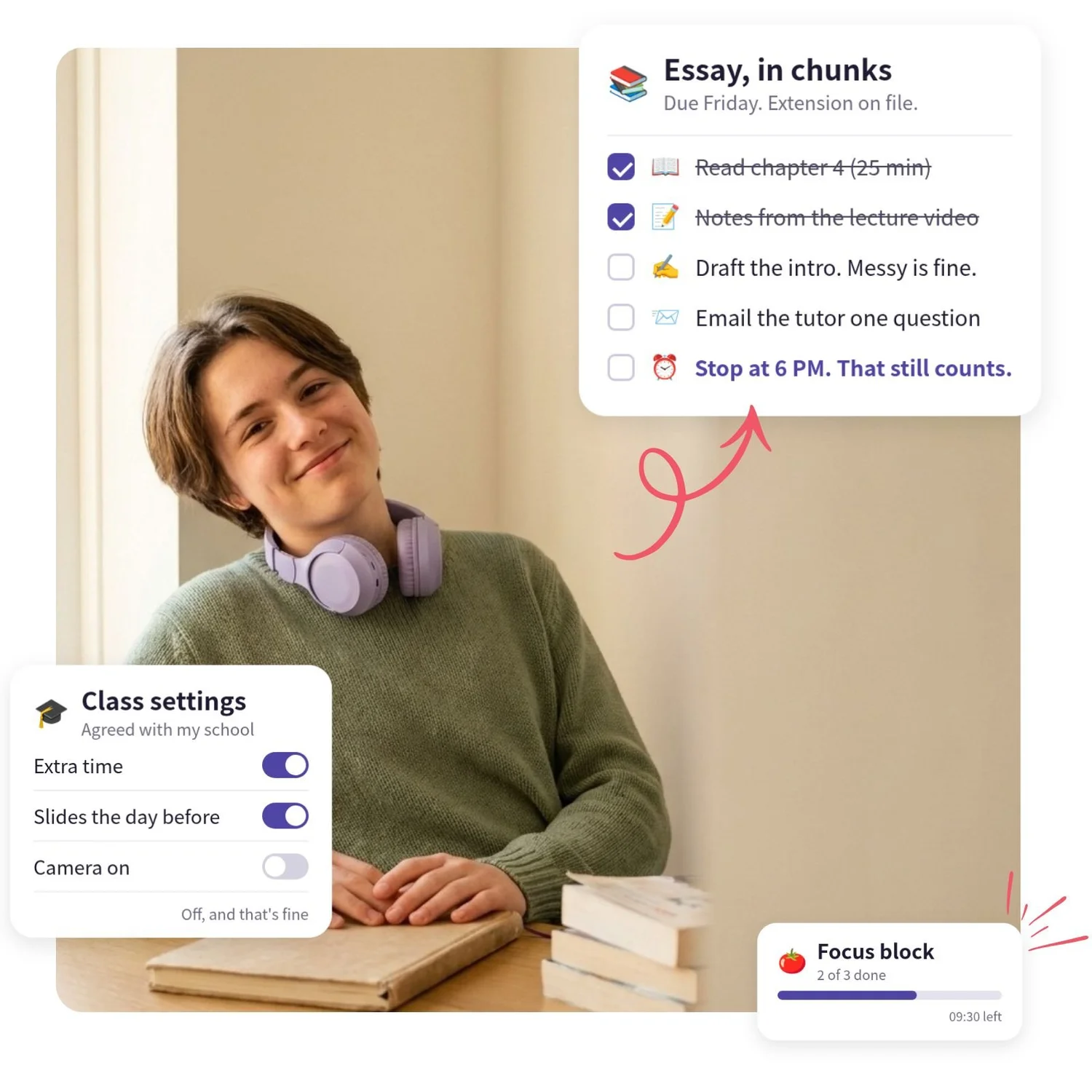
Learning support is more than just required paperwork.
Support should account for the energy it takes to get through the day, not just what happens in the classroom. Holding it together at school can turn into falling apart at home.
School & learning
Is This You?
School and learning differences impact 📆 routines, 💼 responsibilities, 🧠 regulation, ☺️ rest, and 💬 relationships. Here are some of the experiences our ND-Affirming OTs have supported.
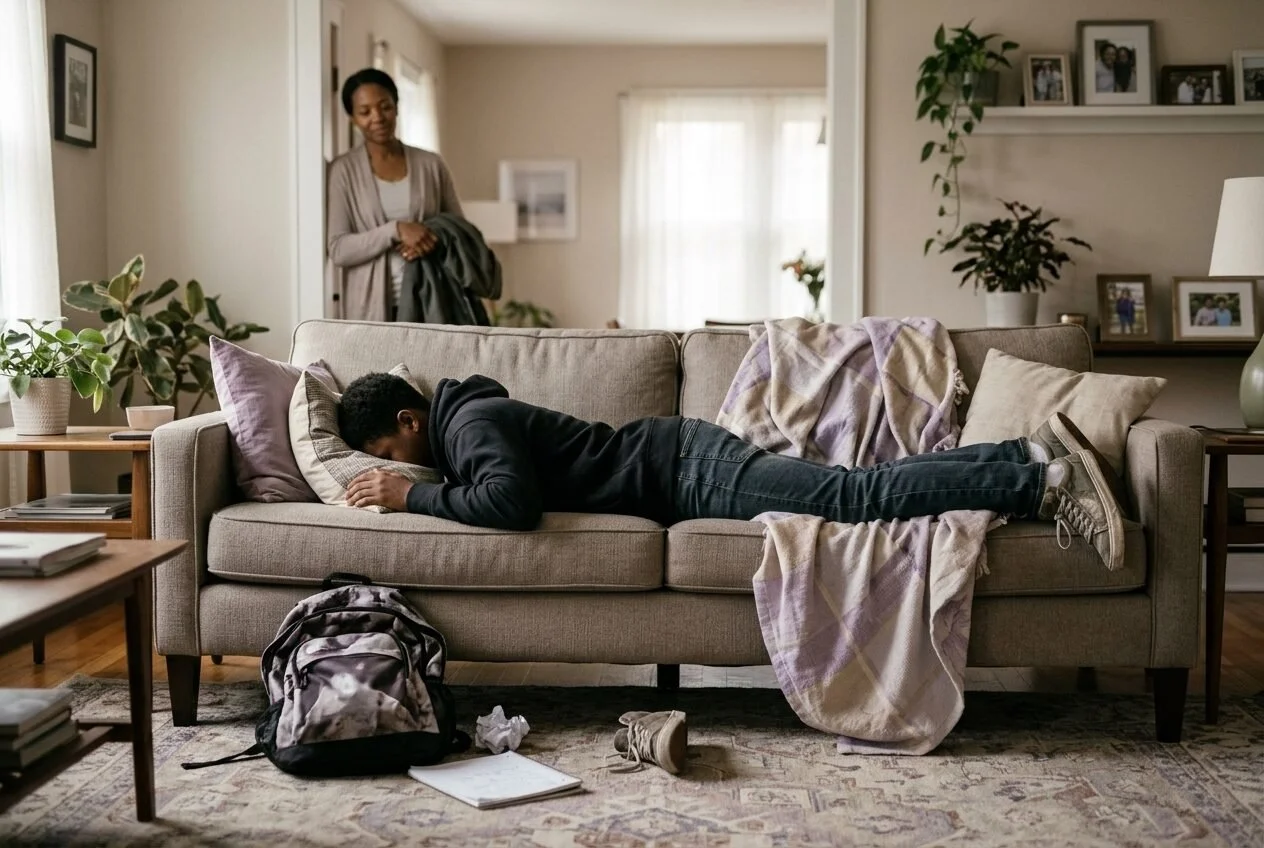
Fine at School, Falling Apart at Home
Teachers say your teen is doing great. Then they walk in the door and melt down, shut down or sleep for hours. You’re the only one who sees what holding it together all day costs.

The IEP That Isn’t Followed
Your teen’s IEP lists breaks, extra time and a quiet space. In practice, support depends on which teacher they have. You keep emailing the school, and your teen has stopped asking.
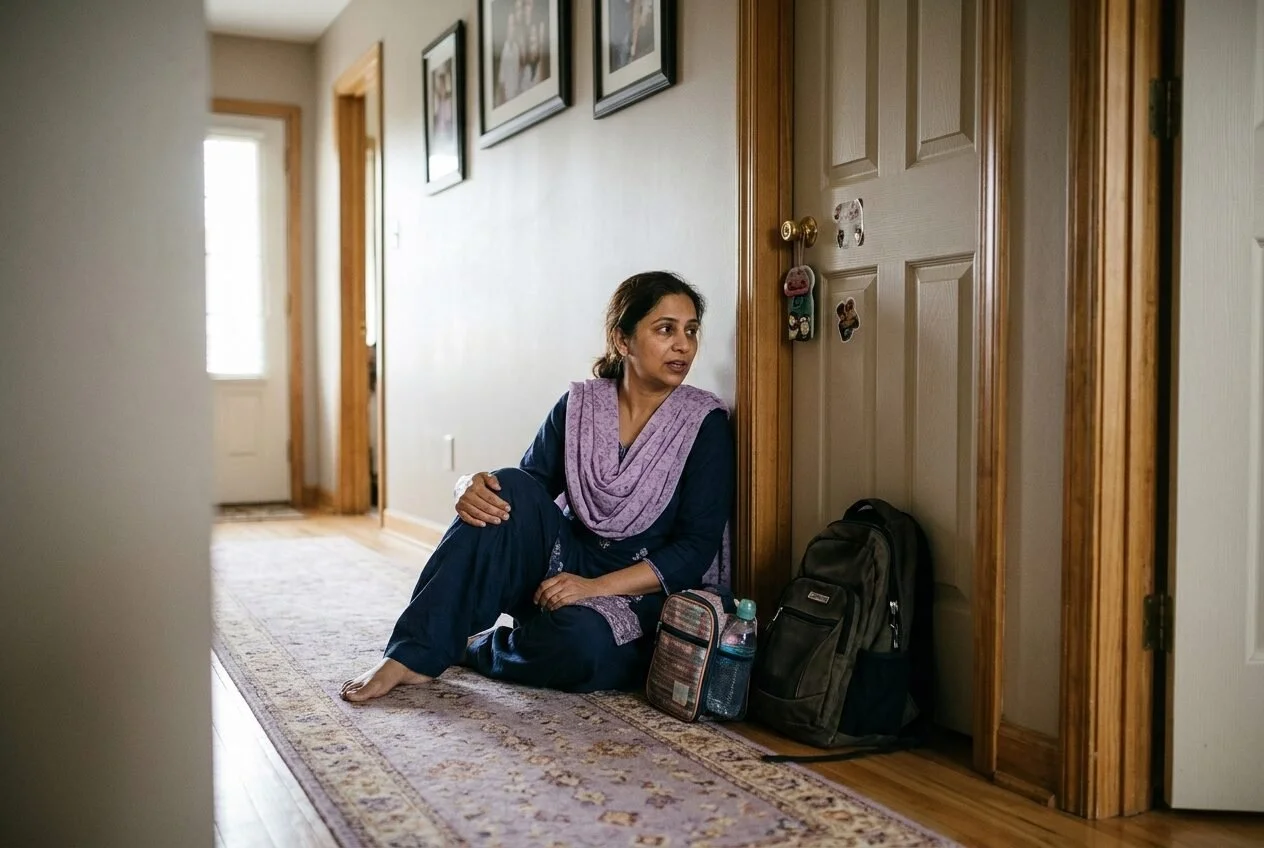
The Morning Standoff
Every school morning starts with stomach aches, tears or a locked door. Your teen wants to go, and also can’t. Attendance letters keep coming, and nobody is asking what makes school feel impossible.

Thinking About Home Learning
You’re considering moving your teen to home learning or a distributed learning program. It might be the break they need. You’re also worried about structure, friends and whether you can manage it all.
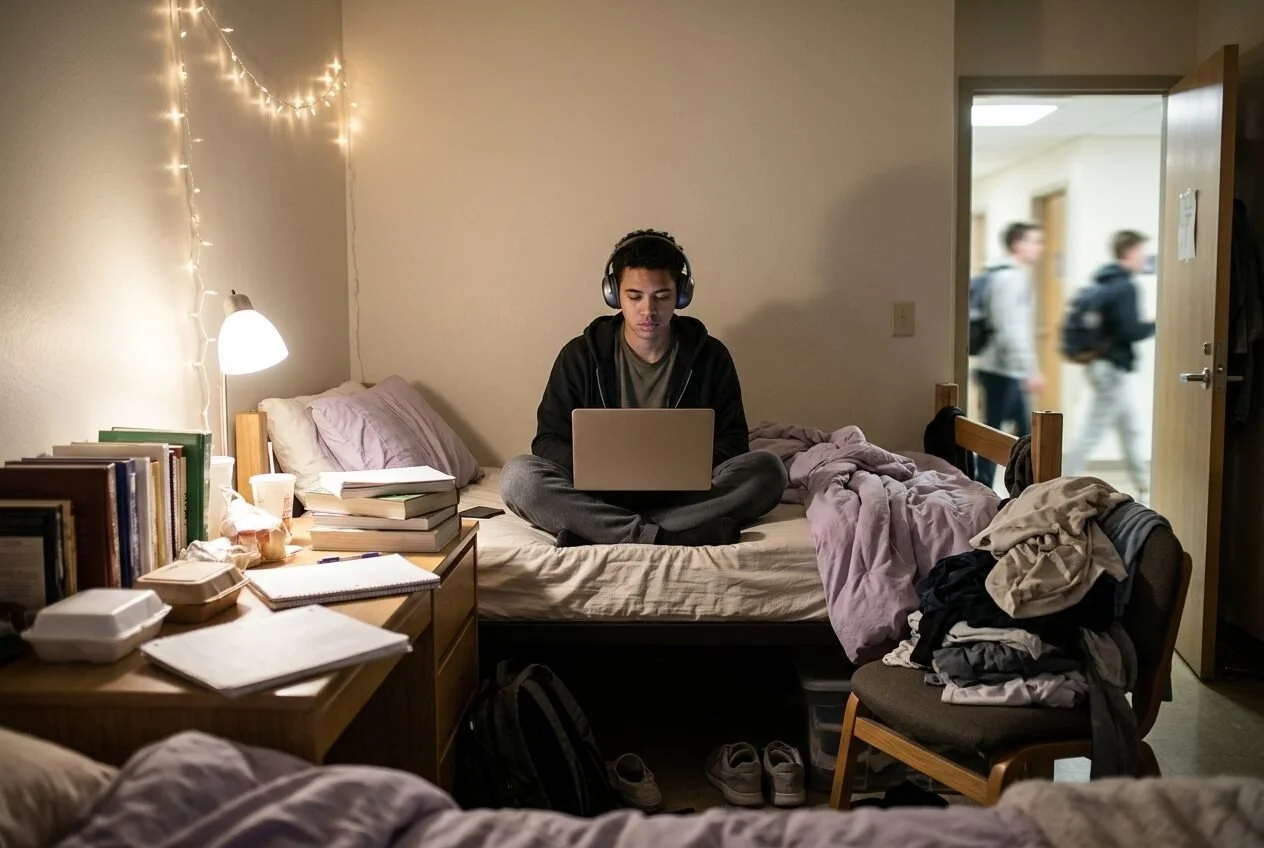
First Year Away
You made it into university. Without bells, routines or anyone checking in, assignments slip and residence never goes quiet. You can do the work. Keeping up with everything around it is the hard part.
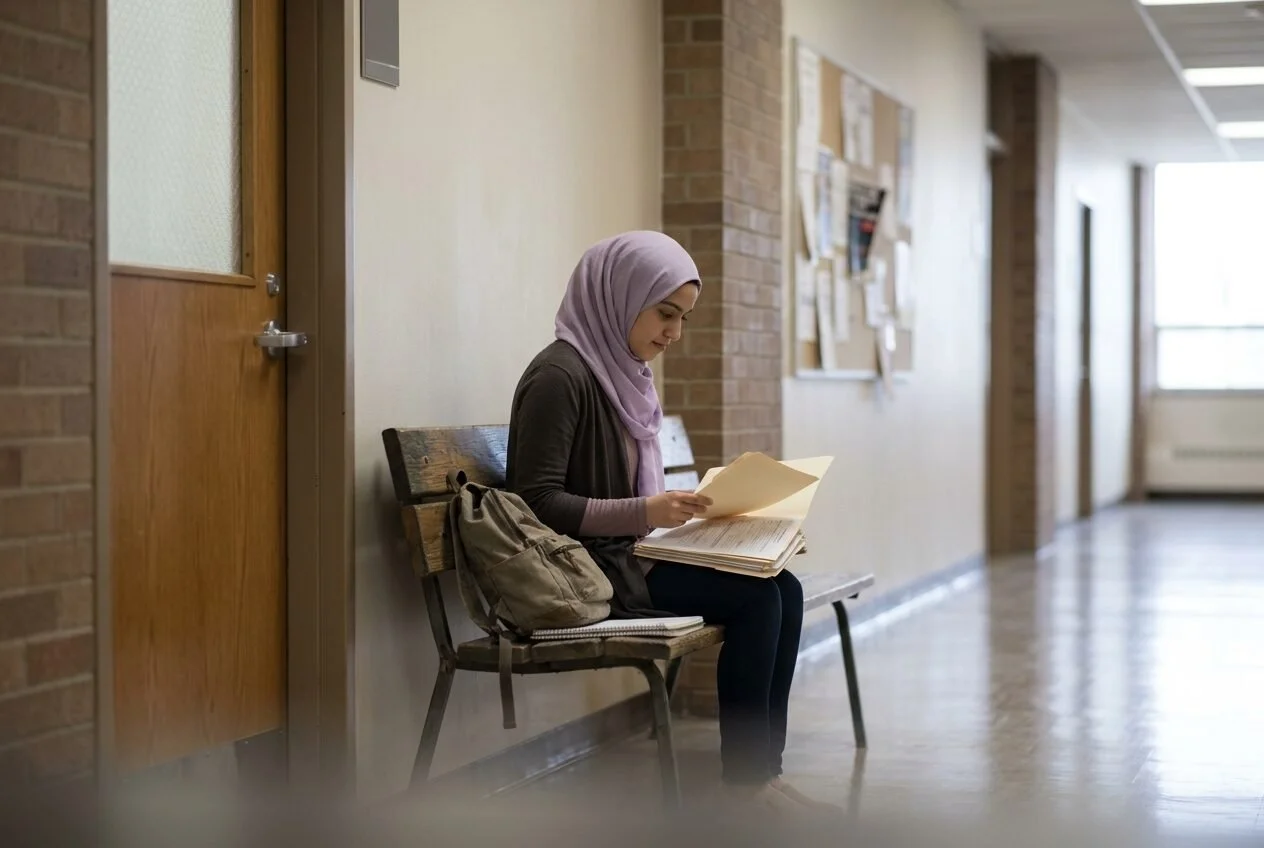
Asking for Accommodations
Your college offers accessibility services, but registering means forms and documentation you’re still gathering. You’re not sure what to ask for, or whether asking will change how instructors see you.
Helped 1,000+ ND clients across Canada.
Our approach
Effort was never the problem.
Another reward chart or study app won’t fix a classroom or teaching style built for a different brain.
Our OTs help you understand what school actually costs and adapt routines, learning spaces and supports around what matters to you.
ND-Affirming OT can look like:
-
School supports that actually work
-
Calmer mornings and after‑school recovery
-
A home learning setup that fits
-
Post‑secondary without the scramble
And much more, built around your well‑being and autonomy.
-
Free Discovery CallWe learn more about your support needs, answer questions, and confirm fit.
-
Match with Your OTSomeone who deeply understands Autistic and AuDHD adults and teens.
-
Learning That Fits How You ThinkNo forcing, no one-size-fits-all.
Free 15-min call. No prep needed.
before you book.
How It Works
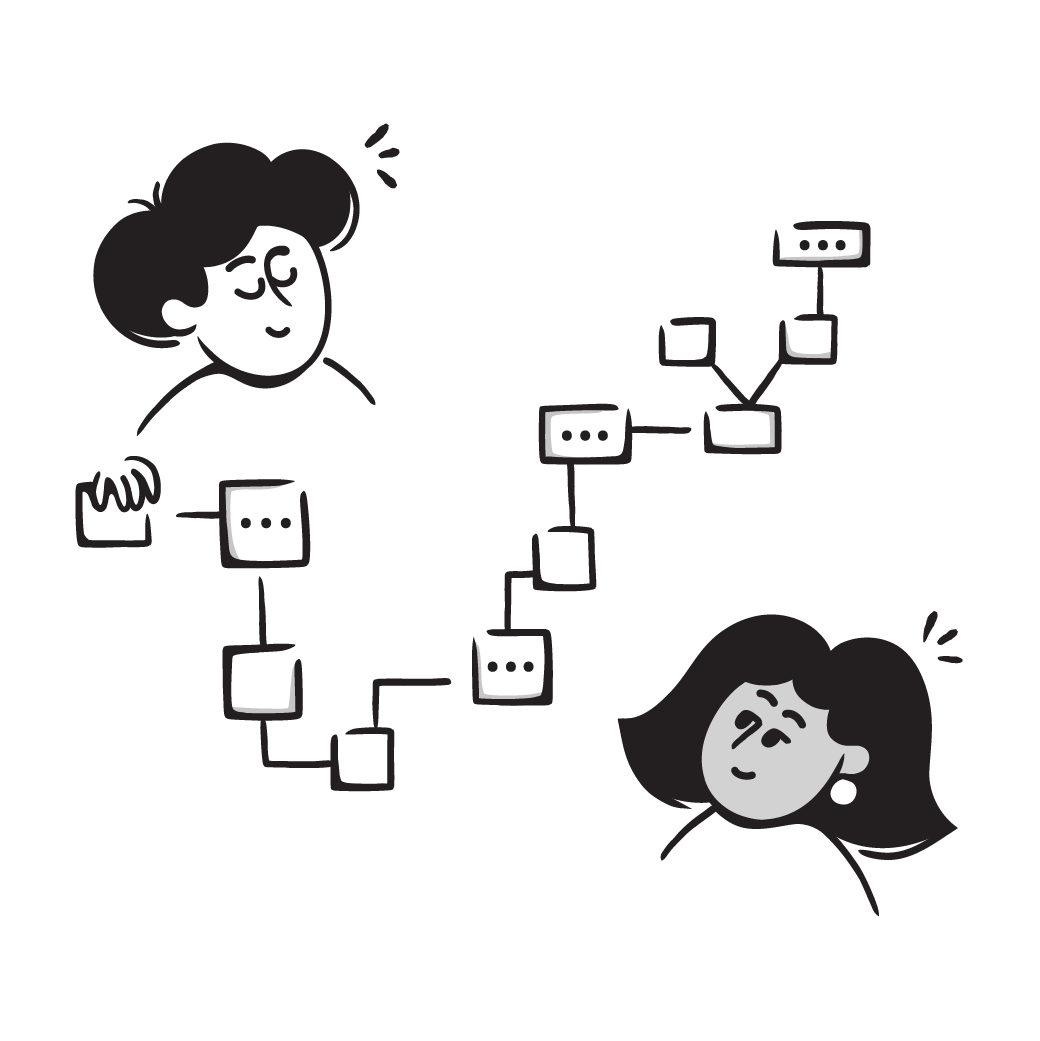
Getting Started
School & learning FAQ
Autistic & AuDHD school life, explained
Answers for caregivers of Autistic and AuDHD teens, and for students in college or university.
Many Autistic and AuDHD teens get through the school day by masking, filtering noise and following unwritten social rules. Home is where it feels safe to let go, so the stored-up stress comes out there. This is often called after-school restraint collapse. OT helps lower the load during the day and plan for recovery after.
School avoidance is rarely about not caring. Sensory load, social demands, unclear expectations and Autistic burnout can make school feel impossible, even for teens who want to go. Pushing harder often backfires. OT helps identify what is driving the avoidance and builds a gradual, realistic plan with your teen and their school.
For some teens, home learning or a distributed learning program lowers sensory and social load enough to make learning possible again. It also brings new demands around structure, motivation and connection. There is no single right answer. OT helps families weigh the options, then set up routines and learning spaces that work at home.
Post-secondary removes the structure that carried many students through high school: EAs, daily check-ins, and teachers tracking deadlines. With AuDHD, interest-driven focus can make some courses easy and others impossible, while social demands ease and executive functioning demands jump. OT helps you build systems that replace the missing structure and protect your energy.
An OT looks at the sensory, motor, executive functioning and social demands of the school day, then turns your needs into clear, practical recommendations for IEPs, school teams or post-secondary accessibility services. Support can include classroom strategies, routines, school meetings and self-advocacy coaching, at a pace that fits.
Everyday OT is a neurodiversity-affirming occupational therapy clinic for diagnosed, late-identified, or self-identifying Autistic and AuDHD teens and adults, and the people who support them. For school and home learning, our OTs identify the sensory, social and executive functioning demands that drain Autistic and AuDHD students, then write practical recommendations for IEPs, home learning plans and post-secondary accessibility services. Support can include school meetings, caregiver coaching and study routines that protect energy and autonomy. Everyday OT offers telehealth across BC, Alberta, Ontario, and Atlantic Canada, plus in-person OT in Vancouver, Burnaby, Squamish, Victoria, Canmore, the Tri-Cities and Calgary.